Insights from the Ecosystem Mapping Participatory Workshop
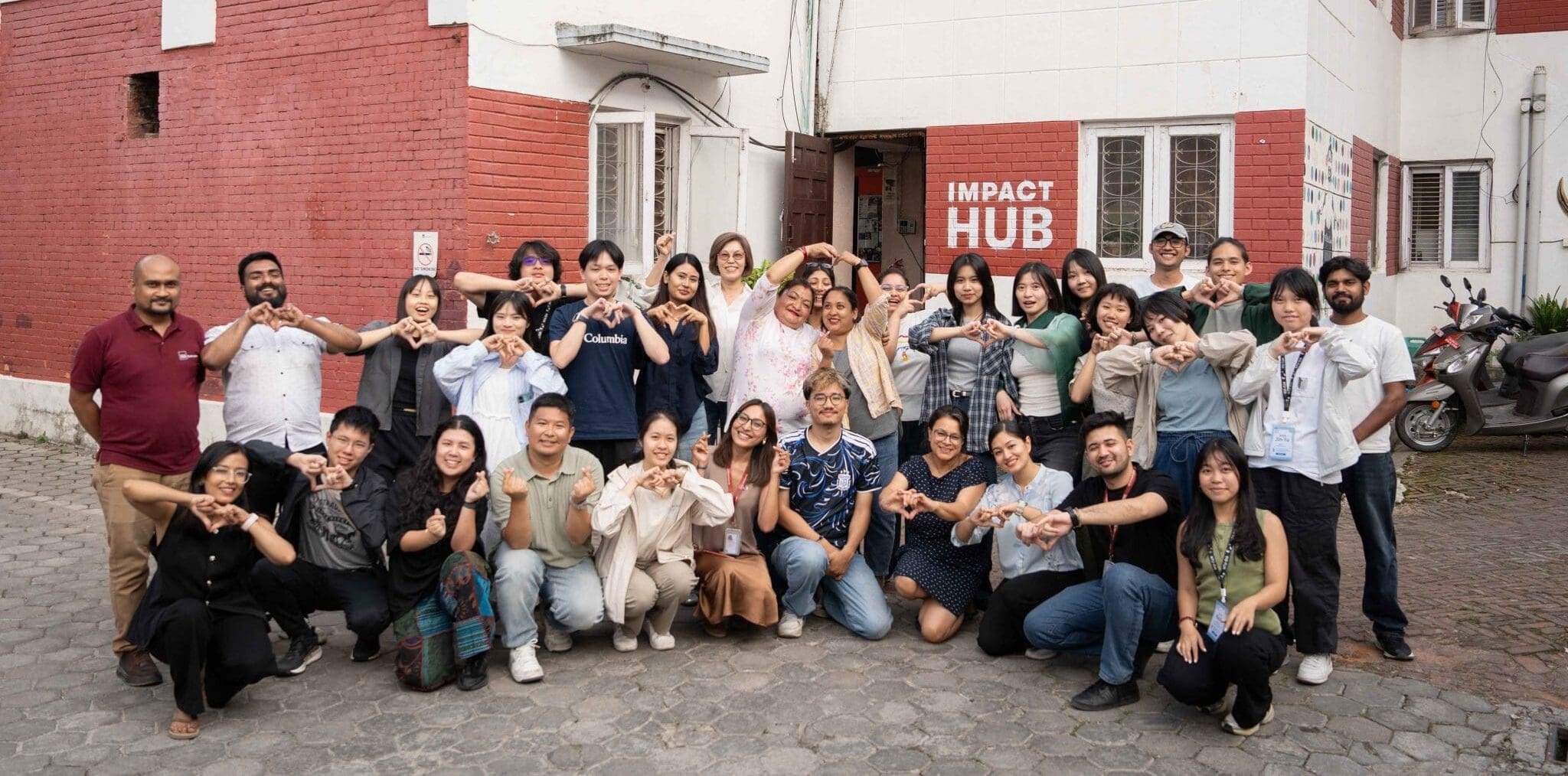
On 24 June 2026, a diverse group of health ecosystem actors gathered at Impact Hub Kathmandu for the Health Innovation Ecosystem Mapping Participatory Workshop. The workshop served as a key sense-making stage of the ecosystem mapping process, bringing together stakeholders to validate preliminary findings, identify critical bottlenecks, and collectively explore opportunities for strengthening Nepal’s health research and innovation ecosystem.
The participatory workshop convened eight participants representing a range of stakeholder groups, including researchers, clinicians, innovators, ecosystem support organizations, policymakers, and funding actors. By creating a space for open dialogue and collective reflection, the workshop aimed to capture different perspectives on how health research moves from discovery to real-world impact in terms of Nepal’s landscape.
This participatory workshop was designed as a collaborative approach to actively engage stakeholders of the health innovation ecosystem and ensure that research findings, policies, and innovations are informed by the experiences and insights of those directly involved in the ecosystem.
Rather than relying solely on expert opinions or top-down assessments, this participatory method created opportunities for researchers, healthcare providers, innovators, funders, policymakers, and implementation actors to jointly identify challenges, discuss findings, and develop practical recommendations.
Creating a Collaborative Environment
The workshop began with participant registration, introductions, and a brief overview of the ecosystem mapping project. Ground rules were established to encourage open and constructive discussion. Participants were invited to speak from their professional experiences, share concrete examples, respect confidentiality, and view differing opinions as valuable data rather than disagreement.
The atmosphere throughout the workshop was highly interactive and collaborative. Discussions were conducted primarily through verbal engagement, while participants documented key insights and recommendations through interactive activities. The workshop emphasized learning from one another’s experiences and fostering connections across sectors.
Session 1: World Café Discussions by Stakeholder Group
The first session adopted a World Café format, where participants engaged in structured discussions within groups based on stakeholder type.

Participants reviewed key findings generated from earlier stakeholder interviews conducted as part of the ecosystem mapping study. They assessed whether these findings reflected their experiences, identified areas requiring clarification, and highlighted additional insights that may have been overlooked. This process helped ensure that the emerging picture of Nepal’s health innovation ecosystem accurately reflected realities on the ground.
Participants then examined the health innovation pathway from research discovery to scale-up. Discussions focused on identifying what is currently working well and what remains challenging across different stages:
- T0 – Discovery: Generation of research ideas and evidence.
- T1–T2 – Validation: Testing, validation, and early development of innovations.
- Regulation: Approval processes, ethical review, and compliance mechanisms.
- T3 – Adoption: Integration of evidence and innovations into health programmes and systems.
- T4 – Scale: Expansion and sustained implementation at larger scale.
The exercise highlighted varying levels of progress across the pathway and revealed important gaps that continue to hinder the translation of research into practice.
Building on the pathway discussions, participants explored key ecosystem gaps by considering:
- What is most needed but currently unavailable?
- Which stakeholders are missing or insufficiently engaged?
- What realistic actions could be implemented within the next twelve months?
Participants emphasized the importance of stronger collaboration, better coordination mechanisms, increased implementation support, and more accessible pathways for innovation adoption.
Session 2: Cross-Sector World Café Discussions
Following a brief break, participants were reorganized into mixed groups to encourage dialogue across stakeholder perspectives.
Participants began by sharing the most significant bottlenecks they encounter in their own work. Although challenges varied across sectors, several common themes emerged, including limited coordination between actors, difficulties translating research into implementation, fragmented support systems, and constraints related to funding and sustainability. The discussion revealed that many challenges are interconnected and often affect multiple stakeholder groups simultaneously.
Each group selected a common bottleneck for deeper discussion. Participants explored how they currently navigate these challenges, what underlying factors drive them, and which actors hold the greatest influence in addressing them. This exercise encouraged participants to move beyond symptoms and examine the structural factors affecting the health innovation ecosystem.
Groups then worked together to formulate practical recommendations and identify the stakeholders responsible for implementation. Recommendations were assessed based on their feasibility, ranging from actions that could begin immediately to longer-term systemic changes requiring broader investment and coordination.
The final group activity focused on the availability of funding and support mechanisms across the translational research pathway. Participants discussed existing funding opportunities, identified areas where support remains difficult to access, and highlighted stages where financing mechanisms are limited or poorly understood. The exercise underscored the need for more coordinated and visible support systems to help innovations progress from early-stage research to widespread implementation.
Reflection and Closing
The workshop concluded with an individual reflection exercise. Participants shared reflections on key insights gained during the discussions, changes they would like to see within the ecosystem, actions they could personally take following the workshop, and potential collaboration opportunities that emerged from the day. These reflections provided valuable perspectives on both immediate priorities and longer-term aspirations for Nepal’s health research and innovation ecosystem.
The participatory workshop provided an important opportunity to discuss further on the findings, deepen understanding of ecosystem challenges, and build consensus around priority actions. More importantly, it demonstrated the value of bringing together diverse actors to collectively reflect on the journey from research to impact.