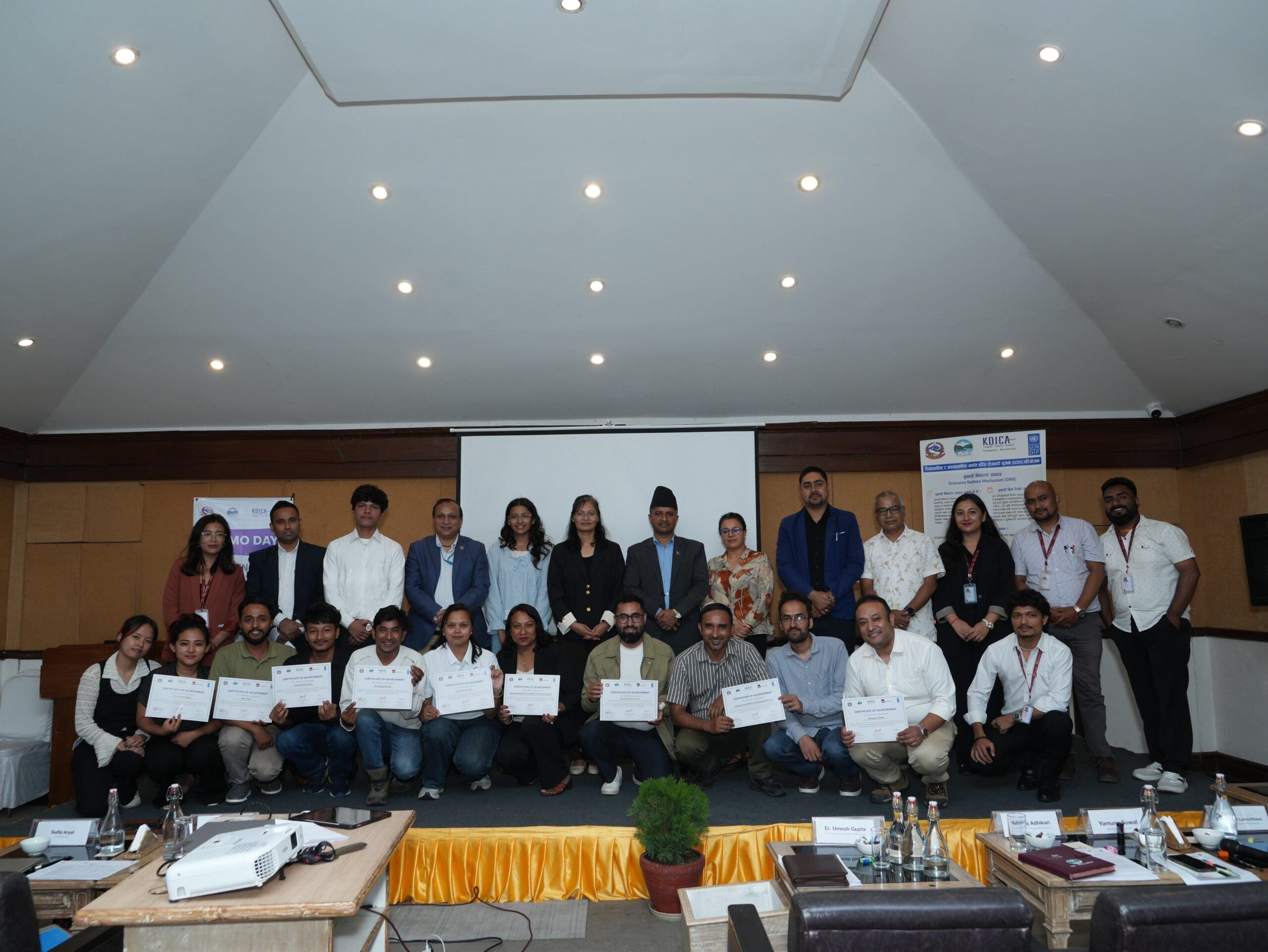
When Aarati di and Padmakshi di first approached me with the opportunity to lead the National Taiwan University (NTU) Overseas Internship and Study Tour in Nepal, I was excited, but I also knew this was going to be much more than coordinating a week-long visit. What I didn’t realize then was that the journey would begin with a blank canvas and end as a vibrant masterpiece, filled with experiences, friendships, and lessons far beyond what I had imagined.
Unlike many study tours that follow a predefined structure, we had the opportunity to build this program entirely from the ground up. From designing the learning objectives to planning each day’s flow, every detail had to be intentional. During our initial discussions, Oliver Chang from Impact Hub Taipei emphasized that the program should reflect Impact Hub’s approach and that it should bring together culture and social innovation as the core of the learning journey.
That idea became the foundation of the entire program.
As the IH Kathmandu team, we came together to brainstorm what we wanted students to take back after seven days in Nepal. We decided to design the learning journey around Human-Centered Design, using it as the common thread connecting sessions on plastic recycling, impact entrepreneurship, textile innovation, inclusive entrepreneurship, and Nepal’s rich cultural heritage. Rather than overwhelming students with lectures, we wanted them to experience innovation firsthand by meeting the people behind the ideas.
Designing the curriculum was only the beginning. Bikas ji and I personally visited every cultural sites, restaurants, and learning venue beforehand to ensure each experience aligned with the program’s objectives. Every session, site visit, reflection circle, and even meal location was thoughtfully planned to create a meaningful and seamless learning experience. The responsibility became much more than organizing logistics, it was about designing an experience where every interaction would help students understand that meaningful innovation is deeply rooted in people, culture, and community.
On 21 June, we welcomed 14 students from National Taiwan University, alongside the NTU Overseas Internship Office team, Krystal and Jessie, Daniel, whose incredible photography beautifully captured the week’s memories, and Oliver from Impact Hub Taipei.

The program began with a welcome and orientation led by Padmakshi Rana, Executive Director of Impact Hub Kathmandu, introducing students to Nepal, Impact Hub Kathmandu, and the journey that awaited them. To immerse students in Nepal beyond textbooks, our cultural exploration was facilitated throughout the week by Nischal, who expertly guided students through four of Nepal’s iconic UNESCO World Heritage Sites. The journey began at Patan Durbar Square, Bhaktapur Durbar Square, the spiritual serenity of Boudhanath Stupa, and concluded with the sacred Pashupatinath Temple.
One unique aspect of the program was the inclusion of three Spoken Nepali sessions, facilitated by Brijesh and Kamal dai. More than language lessons, these interactive sessions introduced students to everyday greetings, useful vocabulary, simple conversations, and even bargaining skills that they could use while exploring local markets.

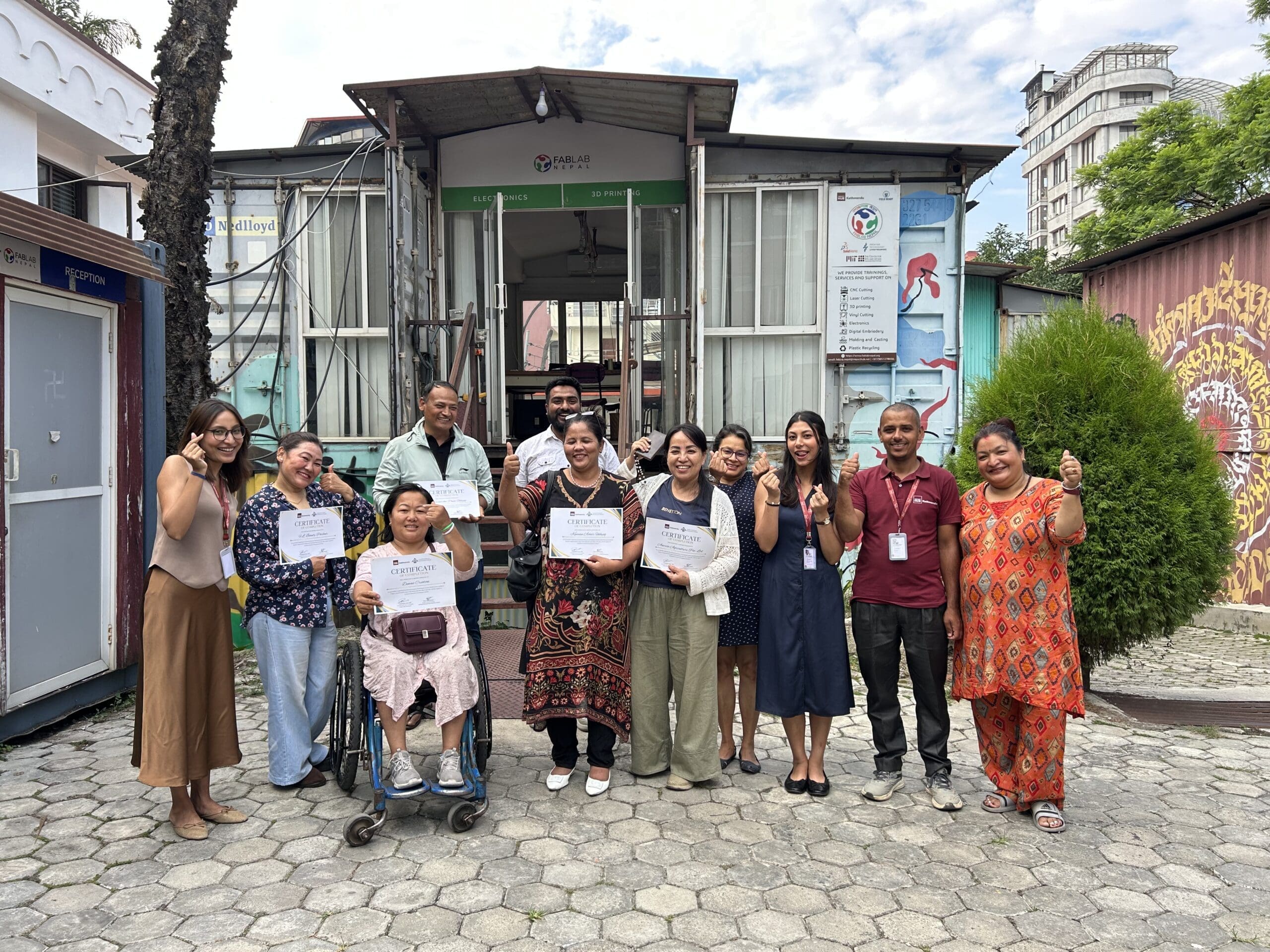
The following day focused on Impact Innovation. Students visited FabLab Nepal, where Melina and Denjing introduced them to Nepal’s growing maker ecosystem, showcasing innovations in digital fabrication, plastic recycling, assistive technology, and social innovation. The Human-Centered Design workshop facilitated by Rohan encouraged students to rethink problem-solving by placing people at the center of innovation. Conversations with the team from Paramendo further demonstrated how local entrepreneurs are transforming waste into valuable products through circular and community-driven business models.

The next day explored Impact Entrepreneurship, beginning with an interaction with Er. Umesh Kumar Gupta, Former Executive Director of the Industrial Enterprise Development Institute (IEDI), sharing practical insights into Nepal’s entrepreneurial ecosystem, highlighting the important role that government plays in fostering innovation and enterprise development. They also met Rekriti: textile entrepreneurs and visited Mountain BEE, where they witnessed how sustainability and inclusive business models are creating opportunities for communities and improving livelihoods. The day concluded with what many students described as one of their favorite experiences, a visit to the magnificent Boudhanath Stupa.

A full day in Bhaktapur Durbar Square gave students a deeper appreciation of Nepal’s living heritage. Alongside exploring its historic streets, they participated in a hands-on pottery workshop, learning from local artisans how a centuries-old craft has been preserved and transformed into sustainable family businesses demonstrating how cultural heritage can continue to inspire innovation and livelihoods.

The focus then shifted to Inclusive Entrepreneurship, facilitated by Rashi and Selina, where students learned how entrepreneurship can become a pathway toward inclusion and empowerment. Through the BEAM initiative, they explored how innovation can create opportunities for persons with disabilities and marginalized communities. One of the highlights of the day was the interactive crochet workshop facilitated by Anukala ji and Jyoti Ji, where students learned crochet techniques while hearing inspiring stories of entrepreneurship and economic independence.

The final thematic day, Innovation and Making, brought together everything students had experienced throughout the week. Working in three teams (Plastic, Textile and Inclusion), they applied the principles of Human-Centered Design and Design Thinking to develop innovative solutions for real social challenges they heard while meeting the entrepreneurs. In just a short period of time, they transformed their observations into thoughtful concepts supported by empathy, research, and creativity. We were amazed by the depth of their thinking, the quality of their ideas, and their ability to connect cultural understanding with practical innovation in such a limited timeframe.

Throughout the week, our daily reflection circles quietly became one of the most meaningful components of the program. Every evening, students gathered to reflect on what they had learned, challenge their assumptions, and connect the day’s experiences with their own perspectives. These conversations often became the most memorable learning moments, reinforcing that reflection is just as important as action.
Looking back, the NTU x Impact Hub Kathmandu- Namaste the Future: Ancient Heritage and Social Innovation Study Tour became far more than a seven-day itinerary. It evolved into a journey of shared learning, cross-cultural exchange, innovation, friendship, and reflection. It reaffirmed that some of the most meaningful education happens beyond the classroom where communities become teachers, entrepreneurs become mentors, culture becomes the curriculum, and curiosity becomes the bridge connecting people from different parts of the world.
Impact Hub Kathmandu extends its sincere gratitude to the NTU OIA team, Impact Hub Taipei, all partner organizations, facilitators, entrepreneurs, and the entire Impact Hub Kathmandu team whose dedication and collaboration made the program possible. Most importantly, heartfelt thanks go to the 14 students, whose openness, curiosity, and enthusiasm transformed the experience into a truly memorable journey of mutual learning.