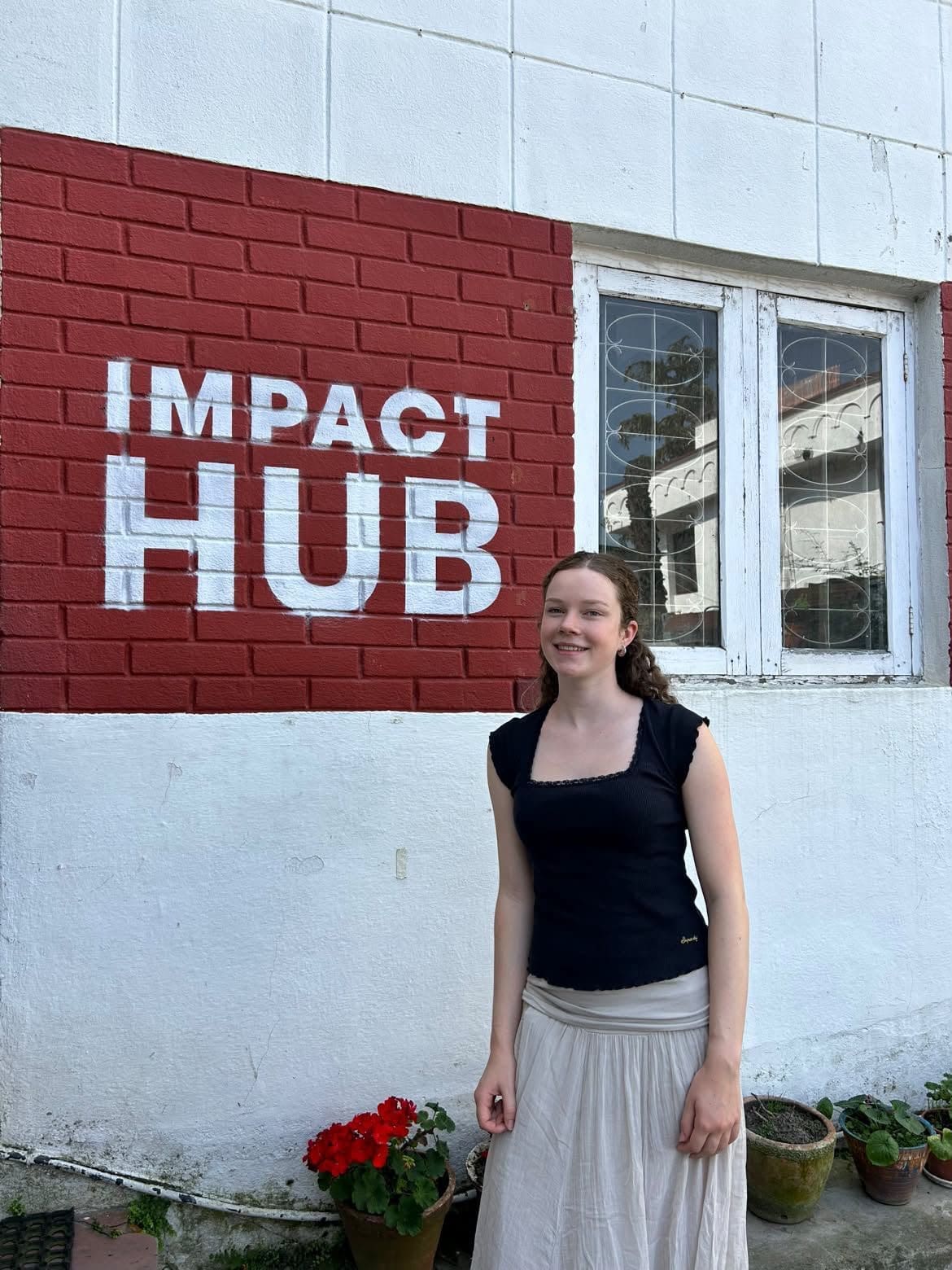
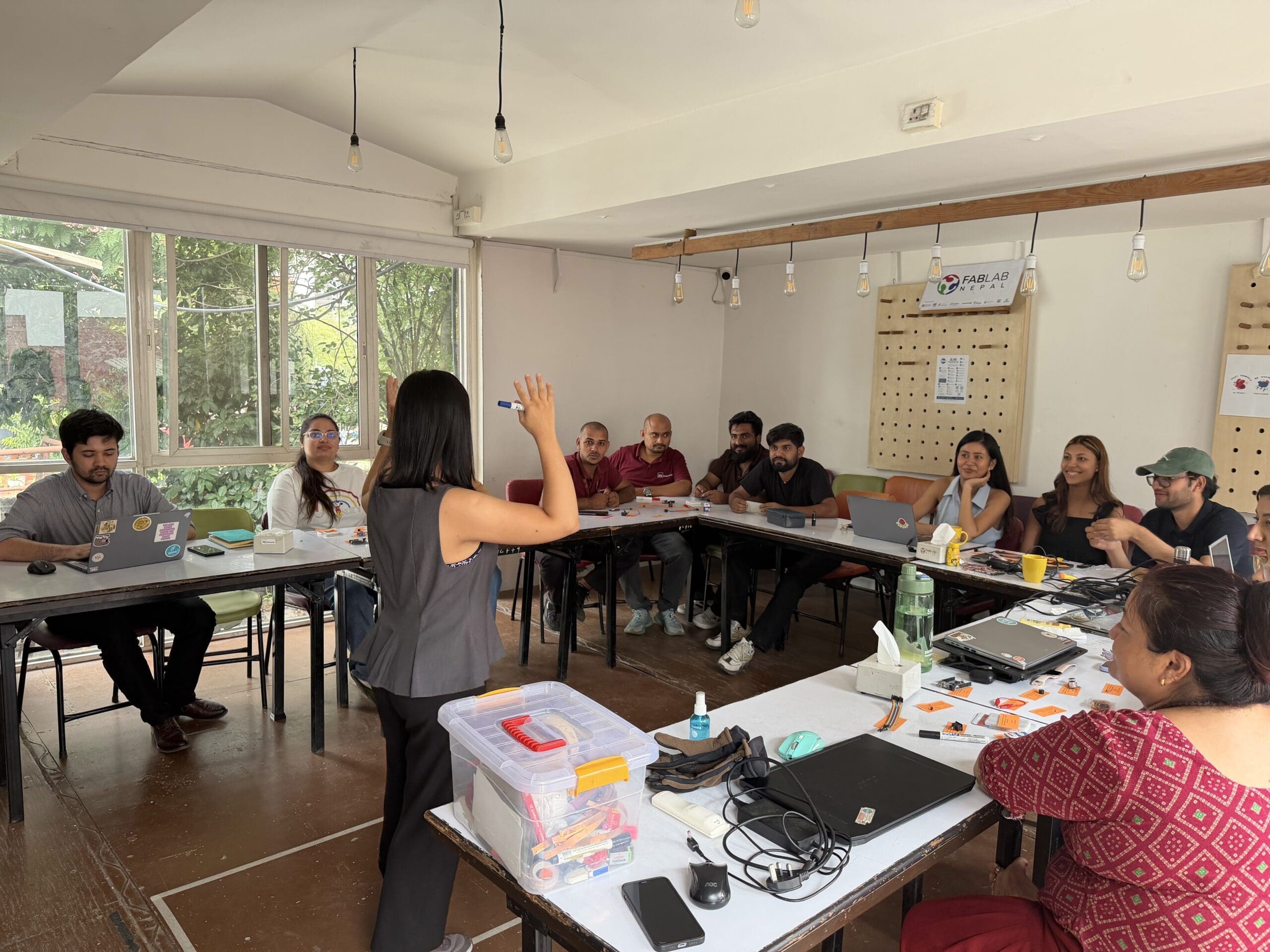
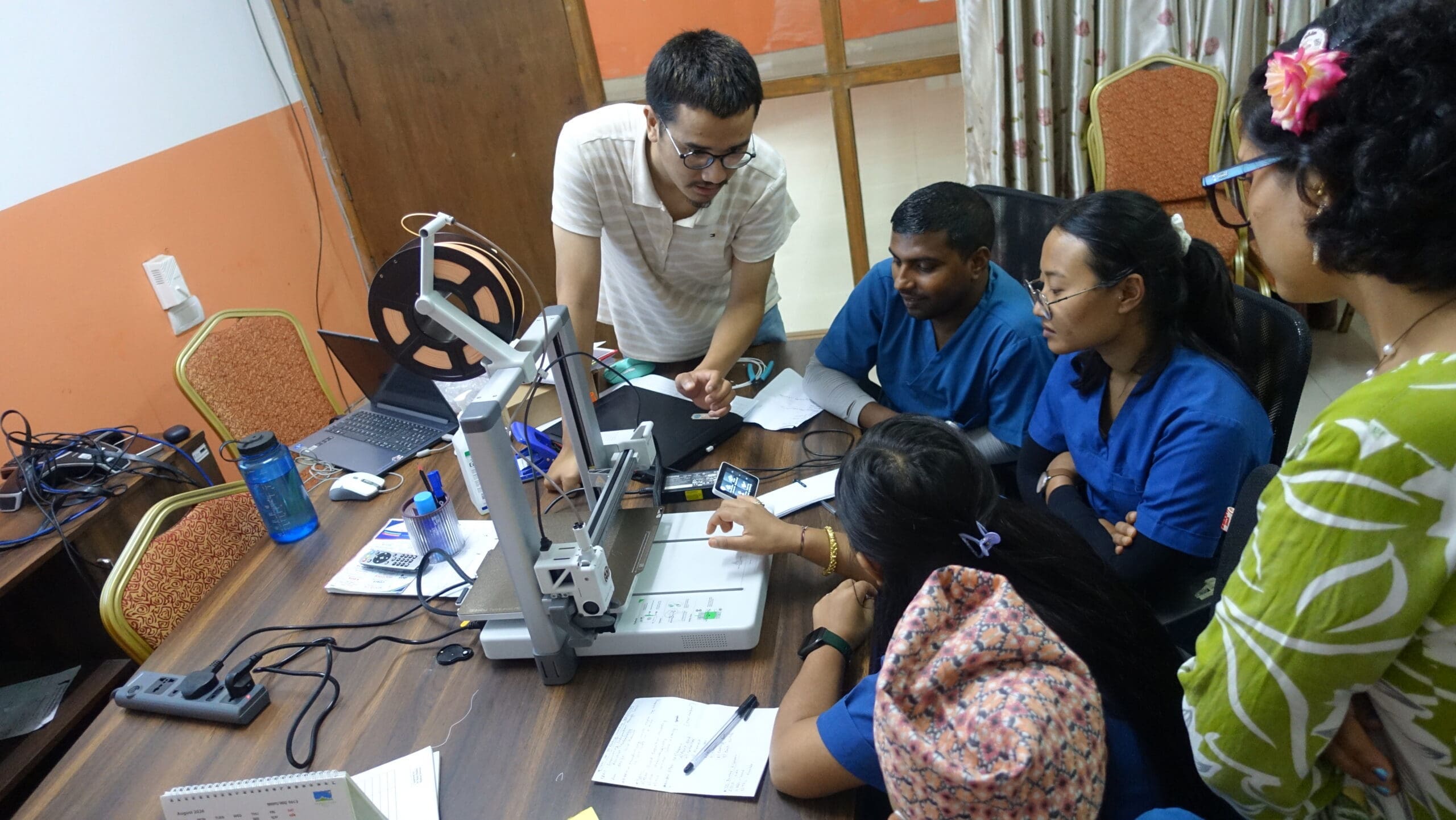
The Roots of Circularity (RoC) Incubator Program, implemented by Impact Hub Kathmandu (IH KTM), continues to support entrepreneurs in Nepal to move beyond conventional linear business models and explore practical, inclusive, and locally relevant approaches to circularity. Through a combination of human-centered innovation, business development, finance, strategic planning, and inclusion-focused learning, the program is helping entrepreneurs translate circular economy concepts into action.
Welcoming Lumbini Cohort 3:
Following the Call for Applications launched on 6 July 2026 and closed on 6 August, RoC received 33 applications. After the initial screening, 15 applicants were shortlisted for the final interview round, from which 10 enterprises were selected to join the cohort as incubatees RoC Incubator Program Lumbini Cohort 3.
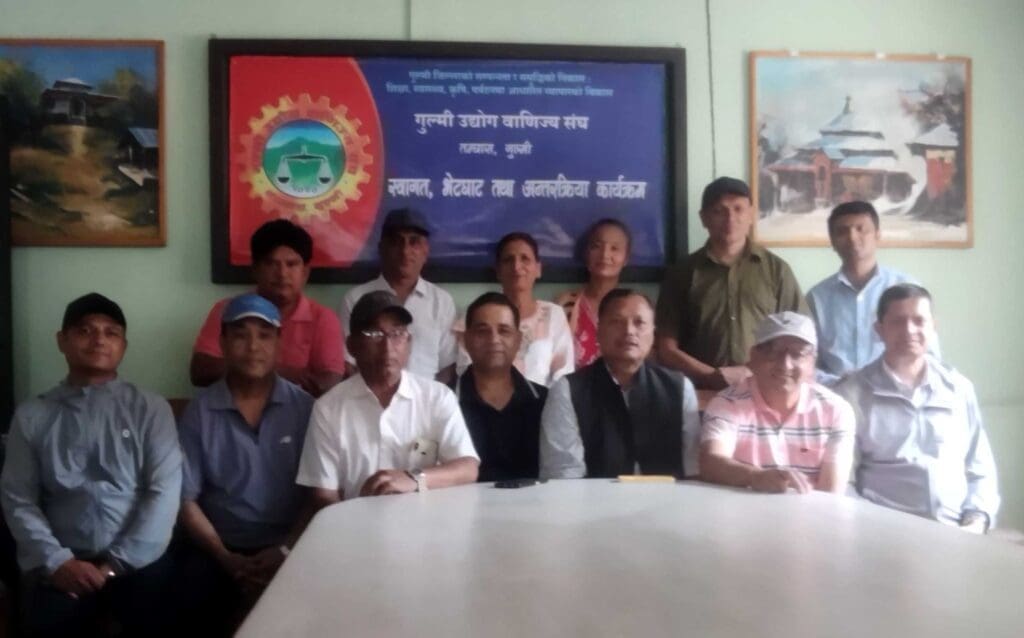
The application sourcing process extended beyond the call itself. IH KTM engaged with Cottage and Small Industries Offices, Chambers of Commerce and Industry, municipal representatives, local entrepreneurs, and other stakeholders across Rupandehi, Arghakhanchi, Gulmi, and Palpa. These engagements helped identify enterprises already exploring waste reduction, reuse, upcycling, and value creation from locally available resources.
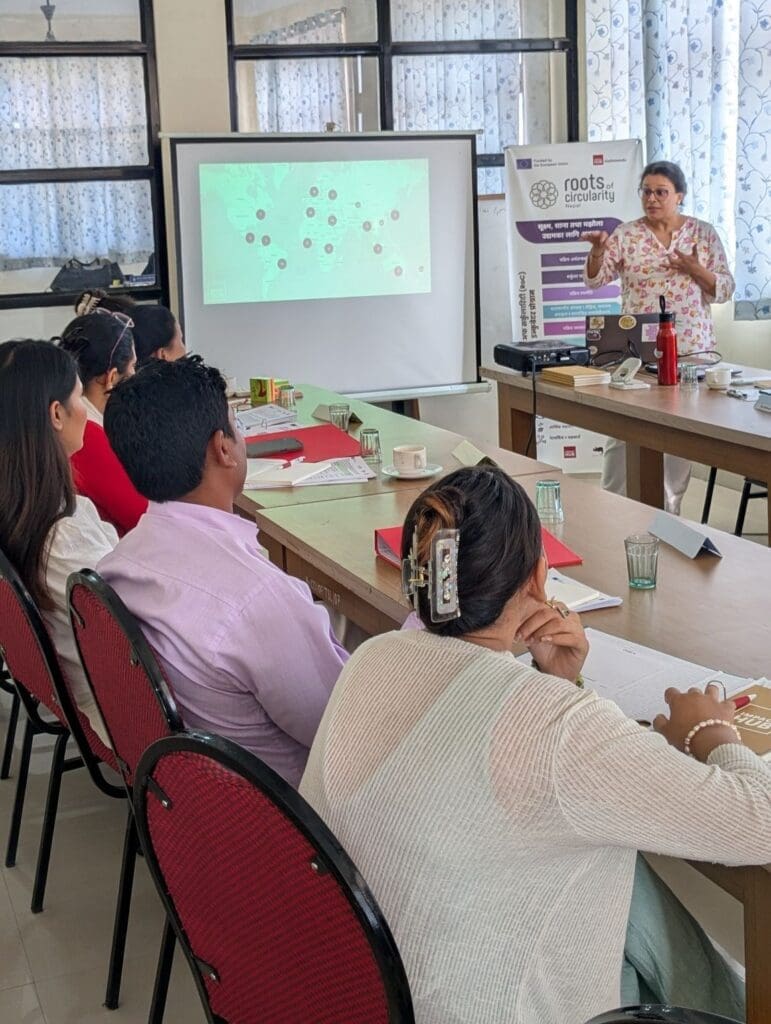
The selected 10 incubatees were officially onboarded and oriented on 8 September 2026, marking the beginning of their incubation journey. The orientation introduced participants to the RoC framework, objectives, expectations, activities, and available support. The following day, on 9 September, the cohort began its learning journey with Masterclass 1: Introduction to Circular Economy and Masterclass 1.1: Developing a Circular Mindset. Participants explored the evolution of today’s economic systems, the concept of circular economy, regenerative thinking, and alternatives to the traditional “take-make-waste” model. Frameworks such as the butterfly diagram helped translate these concepts into more practical ways of understanding circularity.
Bagmati Cohort 3: From Human-Centered Design to Inclusive Circular Business
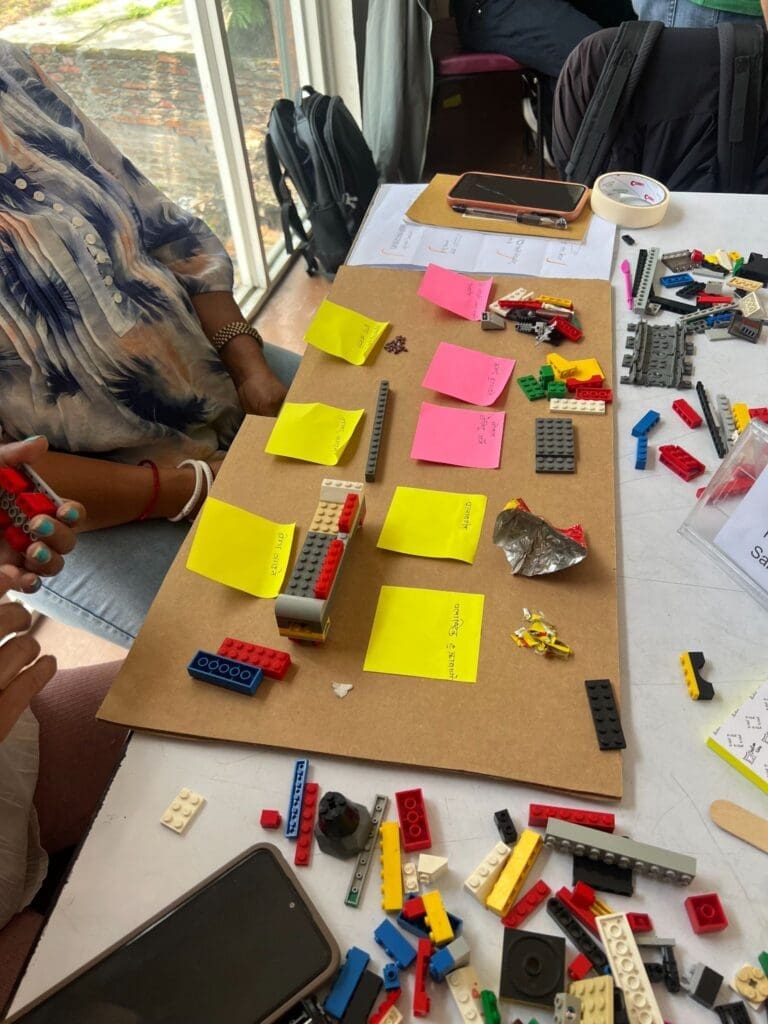
The journey of Bagmati Cohort 3 has been marked by continuous learning in embedding circularity. A key milestone was the four-day Human-Centered Design (HCD) Circular Design Sprint, held from 1–4 June 2026. Facilitated by Circularity Experts Samanata Thapa and Ankshita Chaudhary from Startup Discovery School (Asia), the sprint equipped incubatees with practical tools to understand users, identify challenges, generate ideas, prototype solutions, and gather feedback.
Beginning with Empathize and Define, participants explored user needs through empathy mapping and challenge definition. The following sessions moved into ideation using “How Might We” questions, followed by prototyping and iteration. The sprint concluded with participants presenting their circular solutions and receiving feedback from peers and facilitators. The process encouraged incubatees/enterprises to view challenges as opportunities while ensuring that their proposed circular solutions remained grounded in real user needs.
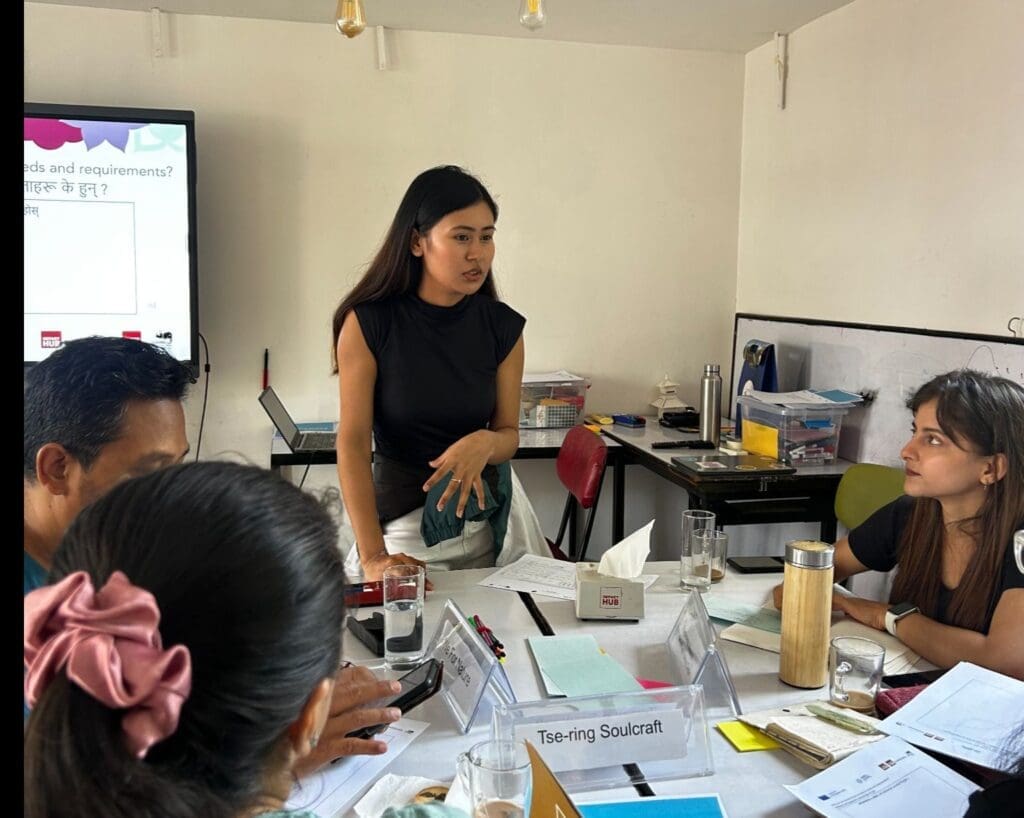
The cohort subsequently participated in a series of thematic masterclasses designed to strengthen different aspects of their businesses. On 1 July, Masterclass 2: Circular Finance introduced participants to financing approaches for circular businesses, the Nepalese context, and different circular business models. The session also introduced the program’s pre-seed funding component, including eligibility, permissible activities, and fund utilization requirements. Participants worked through a World Café discussion to identify financing challenges and explore circular solutions relevant to their businesses.
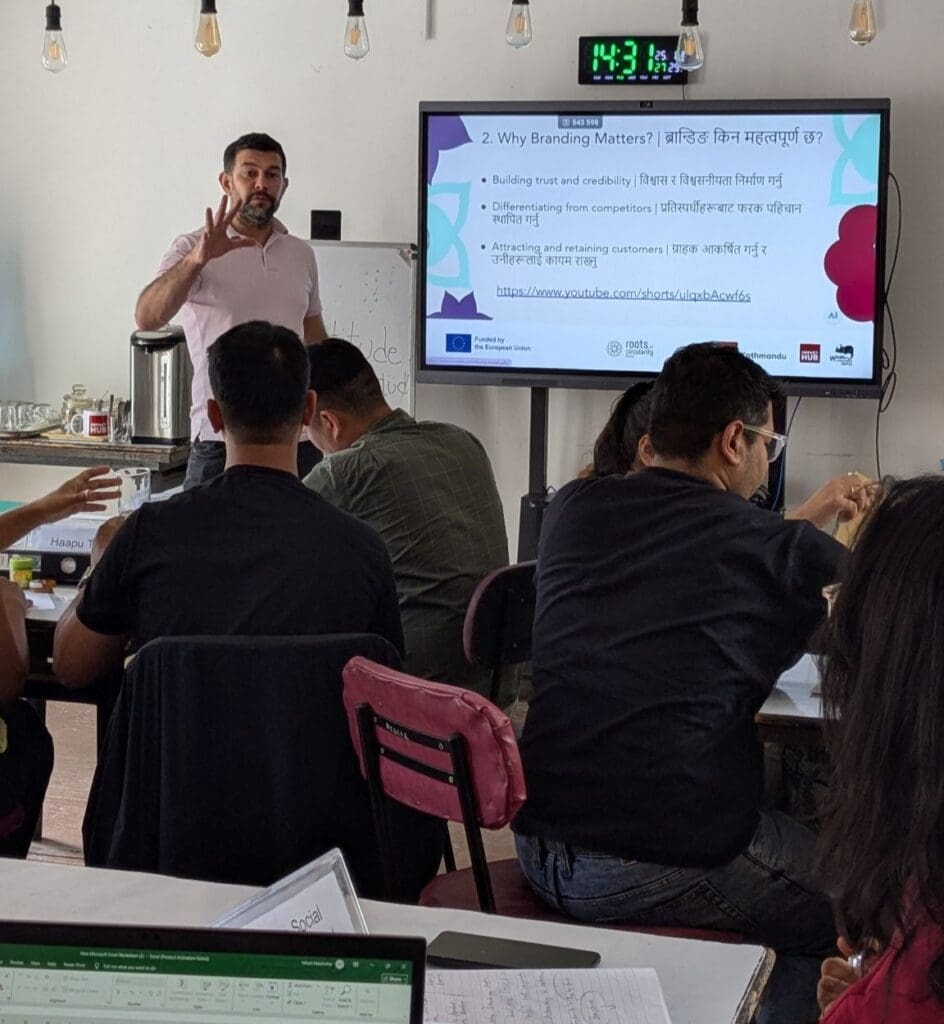
On 28 July, Masterclass 3: CircularStrategy and Masterclass 3.1: Stakeholder & Ecosystem Mapping helped entrepreneurs connect user needs with business innovation. Using circular strategy cards, participants developed ideas for circular products and services while exploring how circular economy principles could be embedded within their business models. The ecosystem mapping session then enabled them to identify key stakeholders, partners, and actors influencing their businesses. The focus shifted to Visibility and Branding on 25 August. The session explored brand fundamentals, positioning, communication, target audiences, and the importance of consistency in building recognizable and value-driven businesses.
Most recently, on 15 September, the cohort participated in a Gender Equality, Disability, and Social Inclusion (GEDSI) Masterclass. The interactive session explored intersectionality, social and disability inclusion, prevention of sexual harassment, and safer workplaces. Participants reflected on how they can make their businesses more equitable, accessible, and inclusive; reinforcing an important principle of RoC, a circular economy must also be an inclusive economy.
Lumbini Cohort 2: Turning Reflection into Action
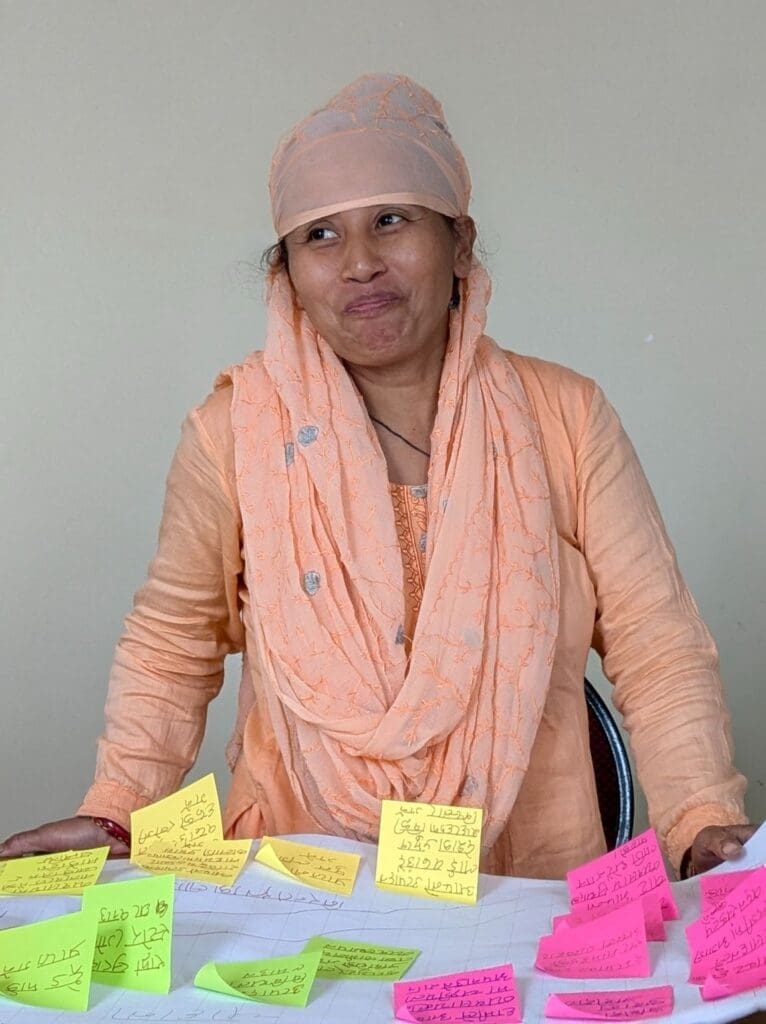
As Bagmati Cohort 3 progressed through incubation, Lumbini Cohort 2 moved toward completion. On 19 June 2026, incubatees participated in the final masterclass Reflection & Planning (Circularity Roadmap) at the IH KTM Lumbini Incubator Space at BUCCI. Through reflection exercises, including Liked, Learned, Longed For and the Hot Air Balloon Exercise, participants assessed their journey, identified lessons and challenges, and explored the social, environmental, and economic factors affecting the future of their enterprises. The session culminated in the development of individual six-month Circularity Roadmaps. Each incubatee identified key milestones, activities, and KPIs to guide their continued transition toward more circular business practices beyond the incubation period.
Continuing the Journey
Across Bagmati and Lumbini provinces, the RoC Incubator Program is creating spaces where incubatees/enterprises can experiment, learn, reflect, embed, and develop circular solutions through their businesses that respond to environmental and social challenges. As Bagmati Cohort 3 advances in its incubation journey, Lumbini Cohort 2 prepares to carry its circularity roadmaps forward, and Lumbini Cohort 3 begins its own transformation, RoC continues to demonstrate that circularity is not only about changing what businesses produce, it is also about rethinking how businesses create value, engage communities, and contribute to a more sustainable and inclusive future.