I still remember the first time I walked into Impact Hub Kathmandu for my internship interview. The space had a quiet pulse, not rushed, not performative. I didn’t know exactly what I was walking into, but something felt aligned. And now, a year and a half later, I’m stepping away with a sense of continuity, not closure.
When I joined as a Programs and Research Intern, I expected to learn. What I didn’t expect was how fully I’d be invited into the process, not sidelined, not managed from a distance, but trusted. Over time, I took on the role of Programs Assistant, but my responsibilities were never confined by title. I moved across projects, teams, and tasks. I was consulted, relied on, asked to contribute wherever I had something to offer.
I was fortunate to work on initiatives that had real stakes and clear intent. Roots of Circularity (ROC) confronted how businesses can turn circular and, in turn, shape business practices across Nepal. The work demanded attention to both systems and stories. It asked: What does sustainability look like in practice, across different regions, sectors, and scales?
Civil Society and Media (CSM) gave me a deeper understanding of what civic engagement looks like when it emerges from the margins. The project took me into conversations with actors in Madesh and Lumbini who are doing the slow, often invisible labor of holding space for democratic values under pressure. These works don’t appear in the headlines, but it holds the fabric together.
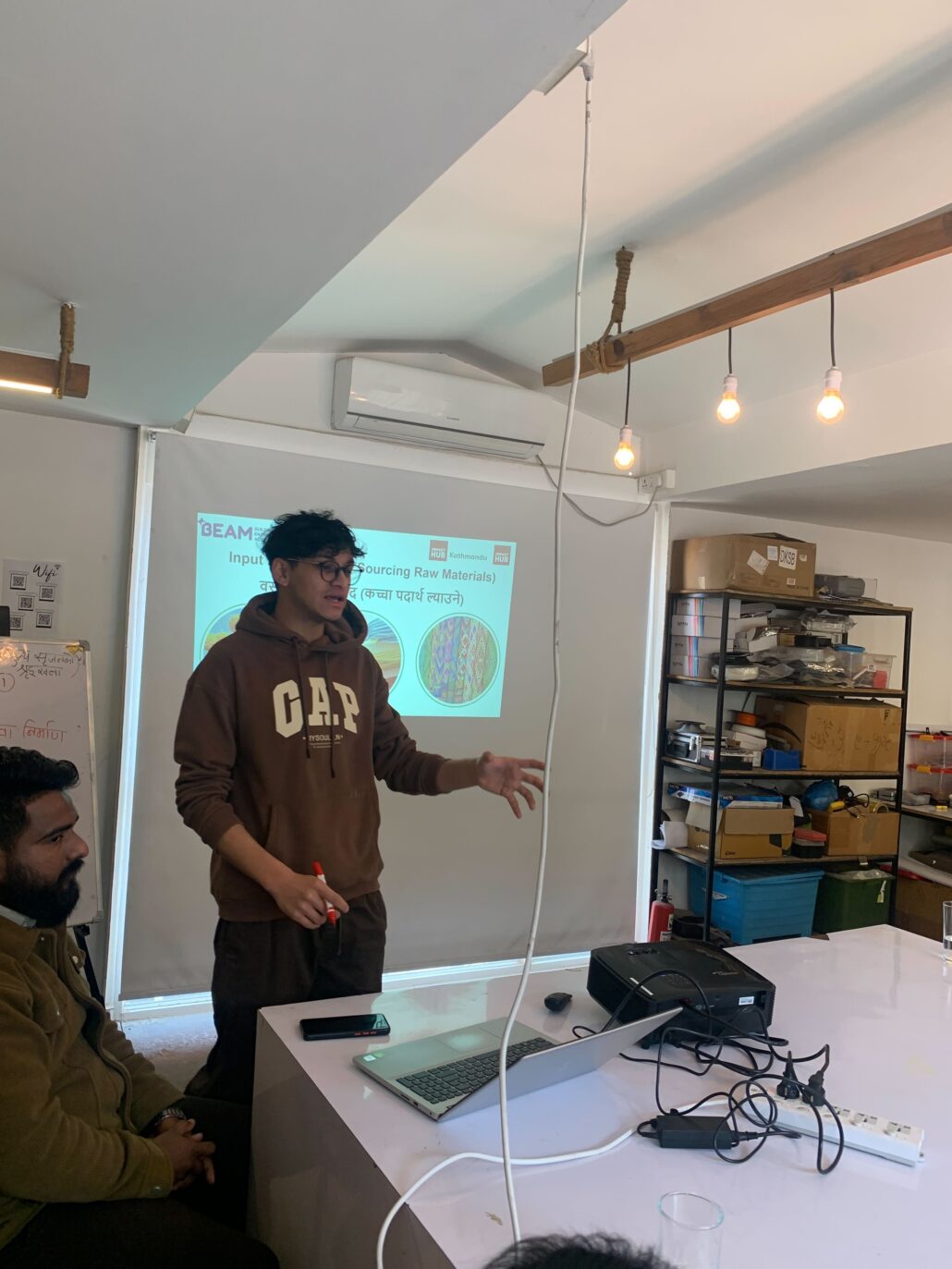
BEAM ( Building Entrepreneurial Access Models) focused on incubating women entrepreneurs with disabilities in Nepal. Their stories weren’t framed as exceptions or inspirations. They stood on their own: powerful, precise, full of risk and resolve. Working on BEAM pushed me to think about access in structural terms, not as an afterthought but as a principle of design. This was entrepreneurship as a tool for agency and transformation.
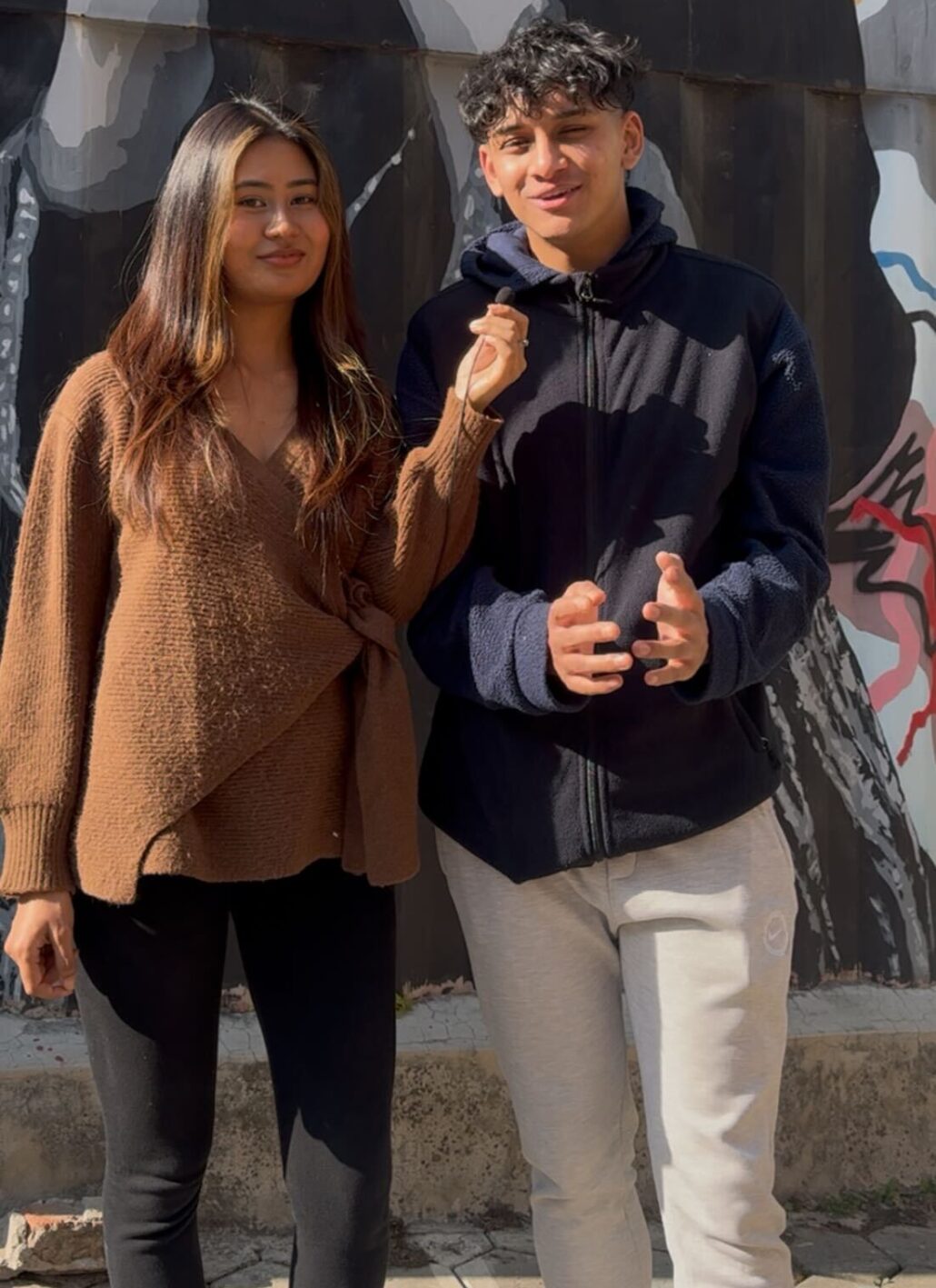
Across these programs, I was consistently brought in, not as a secondary hand, but as someone who could shape the work. People often came to me with a quick, “Nischal, how does this look?” I became a sounding board, not out of obligation, but out of shared respect. That kind of engagement allowed me to grow in ways no pre-defined role could have.
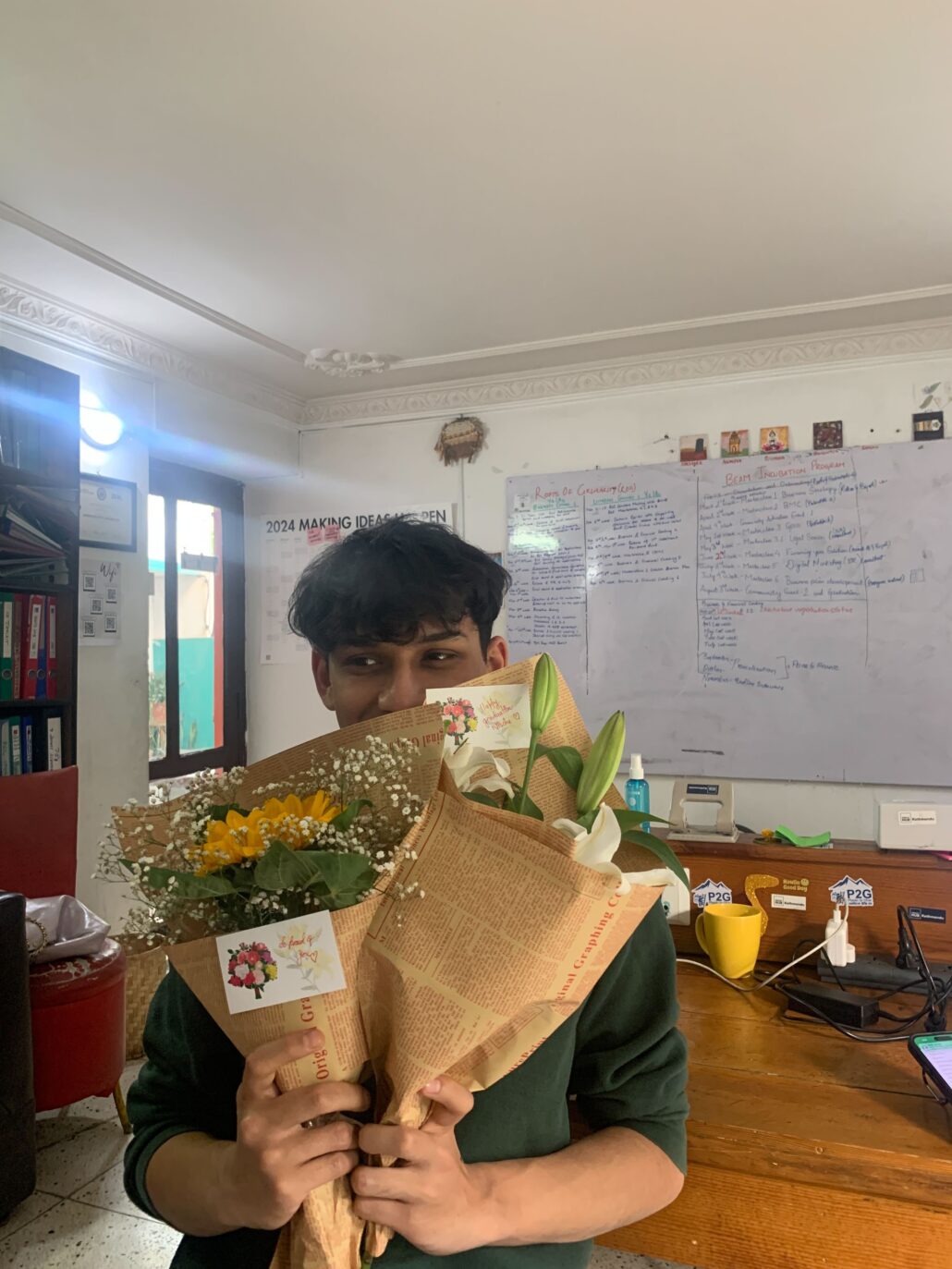
The relationships I formed in this space run deeper than professional ties. These were not just co- workers. They were people I laughed with, struggled alongside, learned from. They offered me presence, not performance. On d ays when I was overwhelmed and there were many I found quiet forms of care: check-ins, solidarity, the shared pause of a tea break that says, we’re in this.
This was a workplace that allowed for difficulty. It didn’t flinch when I brought in parts of myself that weren’t polished. I felt valued for my contribution, but I also felt held when I had nothing to give. That matters.
Now, as I prepare to turn toward other pursuits, I carry this place with me.
Not as a nostalgic blur, but as a concrete foundation. I’ve built skills, certainly in documentation, research, logistics, facilitation, and storytelling. But what stays with me more deeply is the ethic behind the work: attention, accountability, care.
Impact Hub Kathmandu gave me space to build, question, and connect. It brought me into the kind of work that feels worth doing. And it showed me what a working environment can be when it’s grounded in trust rather than control, and community rather than hierarchy.
I’m stepping away formally but the relationships and the commitments don’t expire with the contract. They shift, take on new shapes. And that feels right.
To everyone who walked this stretch of the path with me: Thank you. You’ve shaped my sense of what’s possible and what’s worth striving for.
And to the version of me who stepped into that interview room all those months ago: I’m glad you showed up. You stayed. You grew.