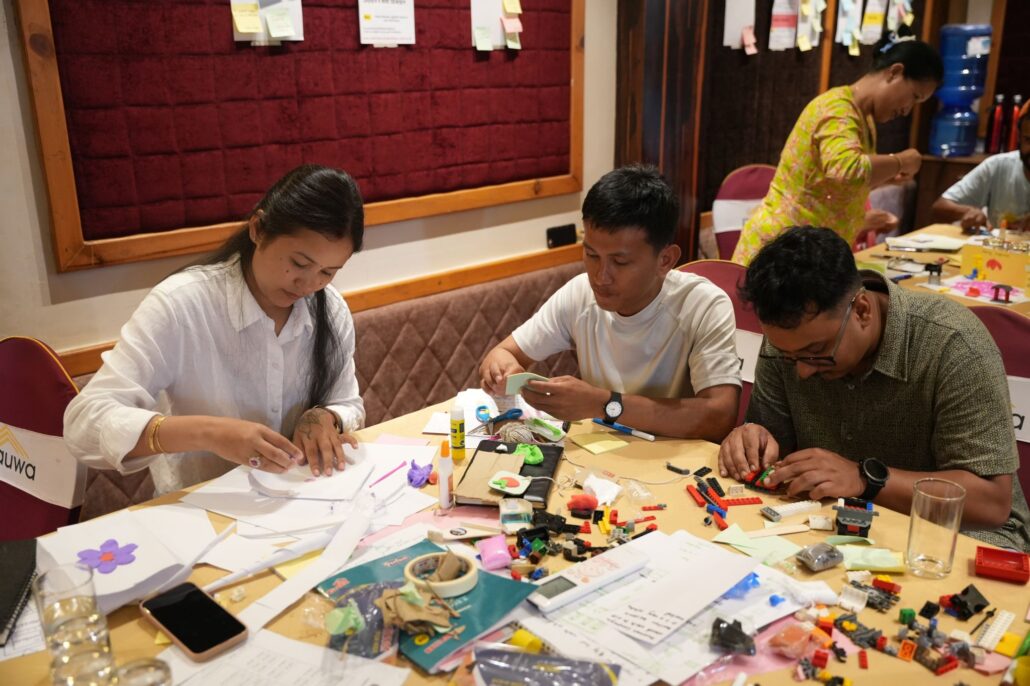
Implementation of the Recycling and Upcycling (RU) Business Incubation Program and Post-Incubation Support under KOICA and UNDP supported Green Job Creation Through Recycling and Upcycling (GCRU) project in Pokhara Metropolitan City.
“Green Job Creation through Recycling and Upcycling in Pokhara (GCRU) project” in financial support of KOICA and technical support of UNDP in collaboration with Pokhara Metropolitan City (PMC), is designed to promote the green economy by establishing recycling/upcycling (RU) enterprises based on the circular economy model, in place of the current ‘throw-away’ linear approach, thereby increasing green jobs and reducing pollution and negative environmental impact of solid waste. The project focuses on three interlinked areas: policy and coordination, promotion of RU enterprises, and community empowerment for awareness and local RU initiatives. Read More!
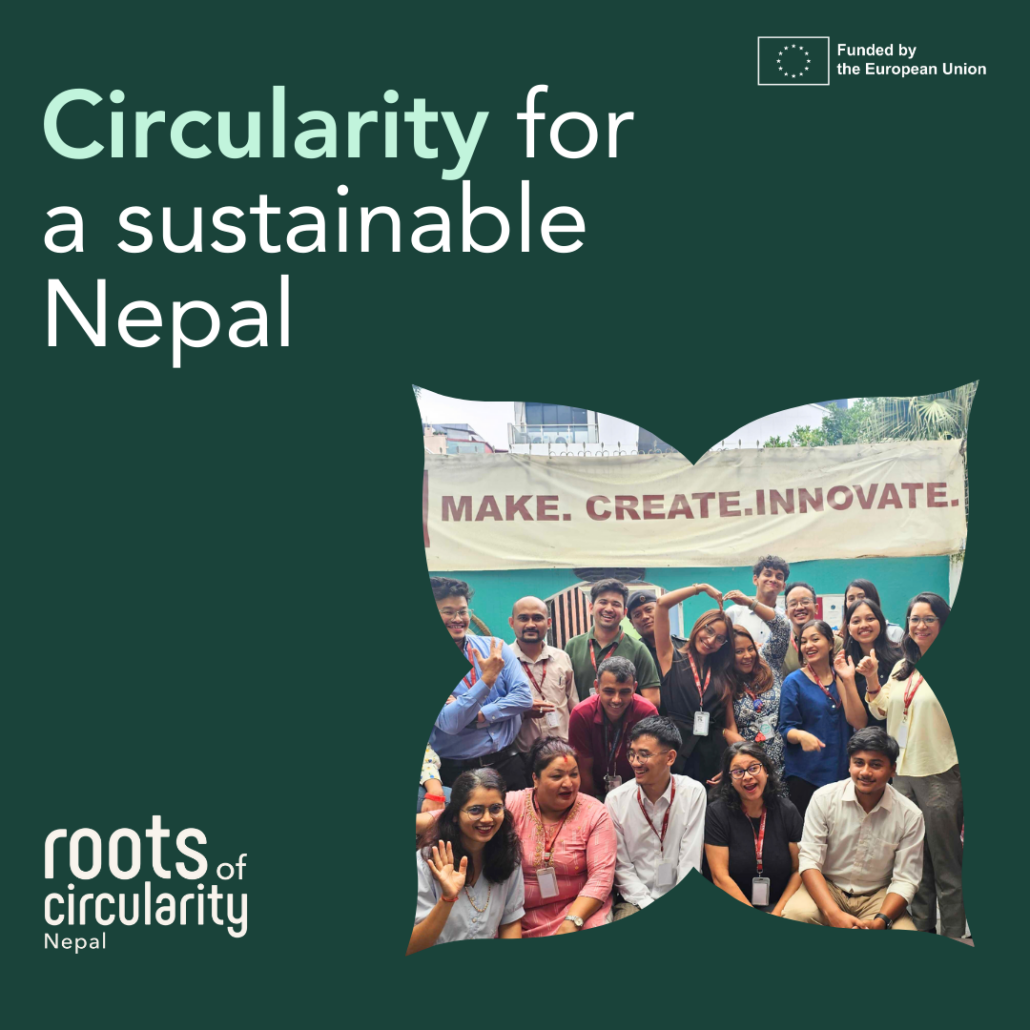
Roots of Circularity Nepal is an innovative educational programme with the aim of developing a strong and engaging ecosystem for the Circular Economy in the country.
Running from 2023 to 2027 in 4 key intervention areas, the programme uses various methodologies to integrate stakeholders and establish a powerful Circular Alliance, inspiring and educating vital sectors in Nepal to adopt the principles of the Circular Economy.
Through these activities, the programme aims to meet the demand for circular consumer goods and services and the need for circular business models. RoC aims to be a catalyst for the sustainable growth of the business ecosystem, economic prosperity and greater environmental awareness in Nepali society, driving lasting change for a better future. Read More!
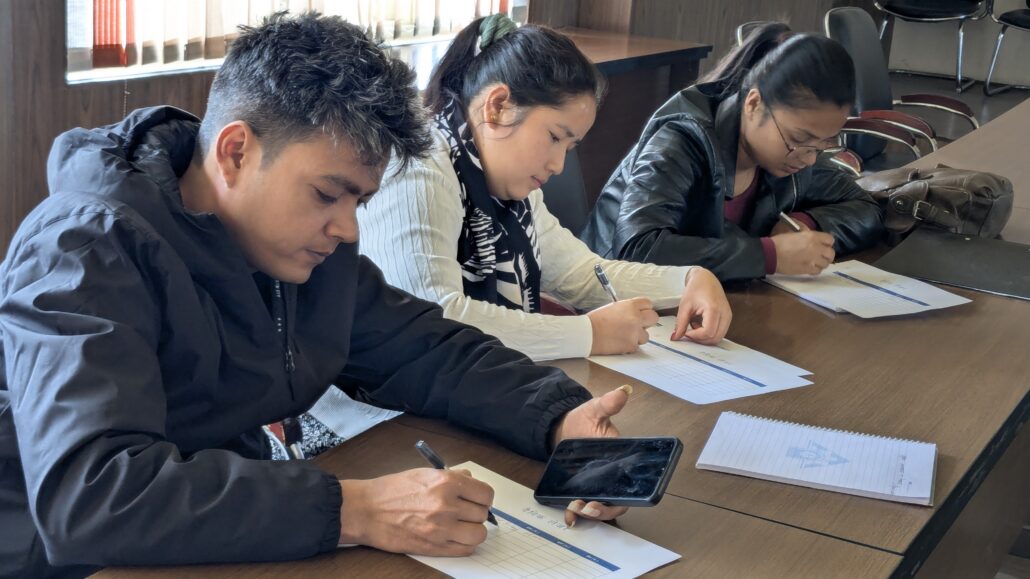
The Industrial Enterprise Development Institute (IEDI) Business Incubation program is a three months long program with the purpose to equip participants/enterprises with essential business knowledge and skills and an advanced support network of mentors and entrepreneurs. This will also enable participants in shaping their business and establish a viable market to contribute to the local economy.
This incubation program is executed through IEDI Business Incubation Center (BIC) with technical implementation support from Impact Hub Kathmandu (IH KTM) that aims to empower aspiring entrepreneurs from all over the nation and support the growth of innovative startups in the country.
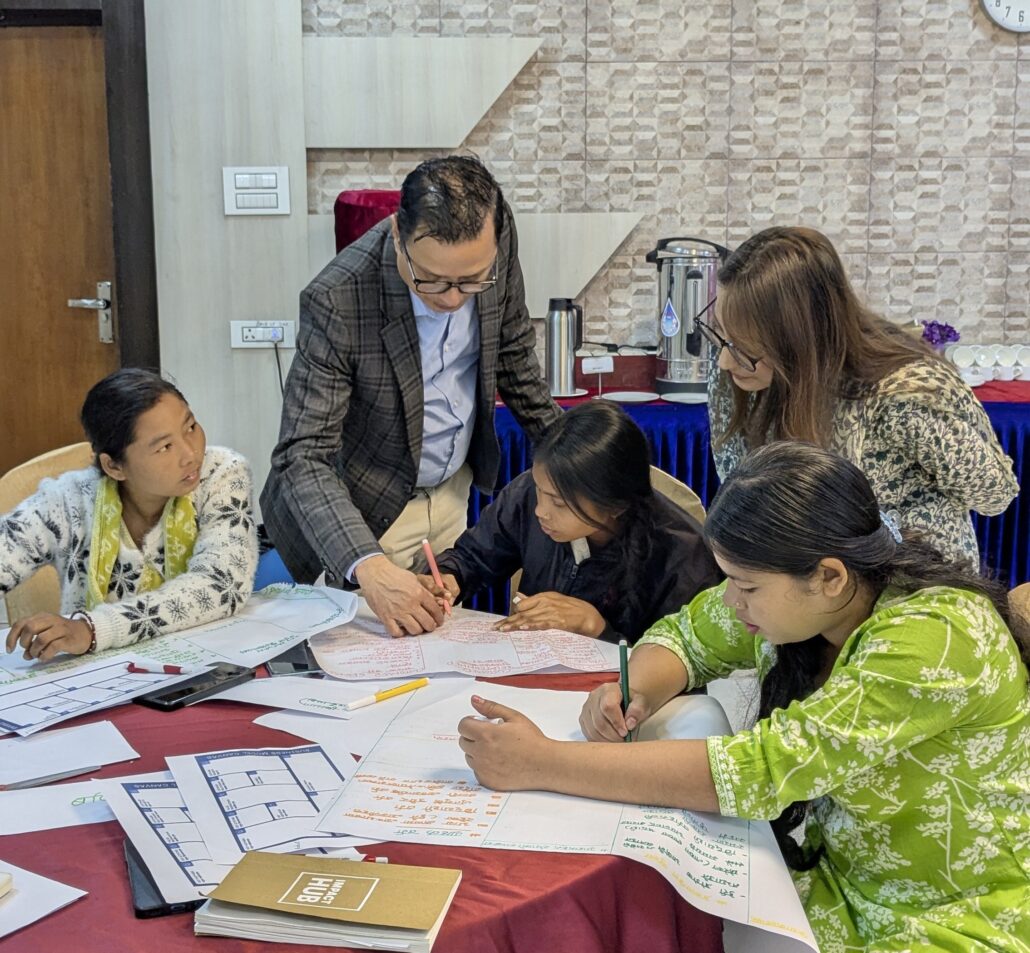
The “Incubation of Ideas on Climate Smart Livelihood Solutions” program, facilitated by Impact Hub Kathmandu (IH KTM) and supported by Plan International Nepal, is implemented in Bardiya district. It is designed to support young people aged 18-30 in transforming early stage ideas into climate-resilient business solutions that address local climate challenges. Through mentorship, masterclasses, and one on one coaching, the program equips participants with essential skills in areas such as human-centered design, financial management, and business development.
Ultimately, the program seeks to cultivate a new generation of climate-smart entrepreneurs who can drive sustainable development within their communities. By facilitating access to networks, resources, and exposure opportunities such as Demo Day, the incubation supports the growth of impactful enterprises that strengthen climate resilience and create meaningful livelihood opportunities in Bardiya.
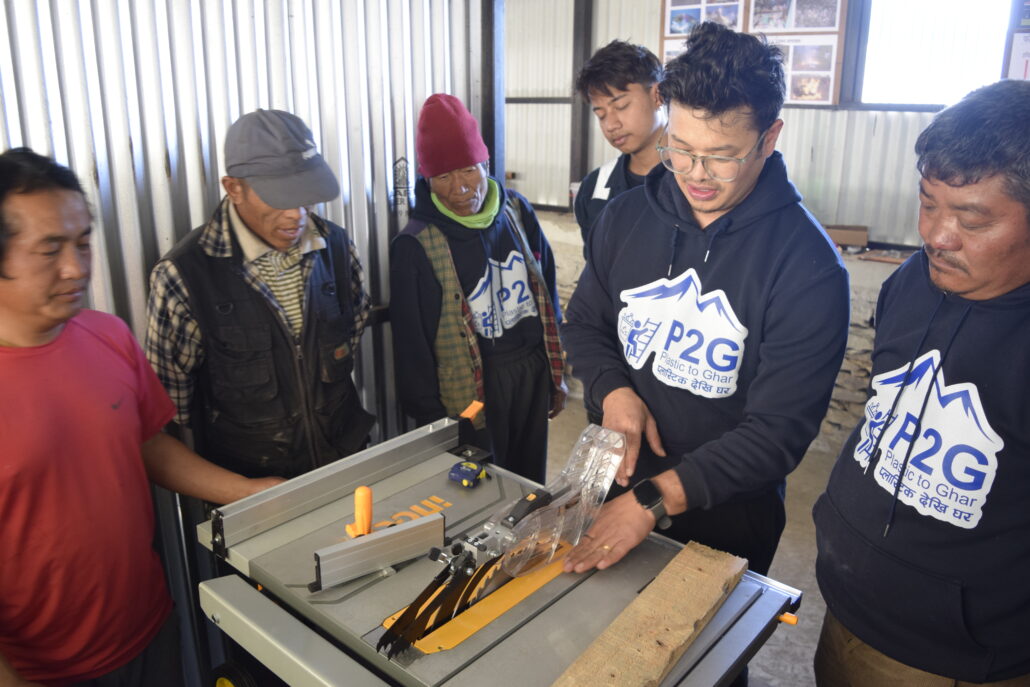
P2G is a research / impact creation project consortium led by Centre for Industrial Sustainability, Institute for Manufacturing, Department of Engineering, University of Cambridge in collaboration with Impact Hub Kathmandu and FabLab Nepal since 2022. We aim to build two types of Waste Hub: The P2G Himalayan Community Waste Hub for the micro-scale remanufacturing units in the isolated mountain regions (Himalaya), and the P2G Super Press Waste Hub for larger quantity upcycling in the flat regions (Terai). P2G is part of the Sustainable Manufacturing and Environmental Pollution (SMEP) programme, funded by UK Aid, the Foreign, Commonwealth and Development Office (FCDO) in partnership with the United Nations Conference on Trade and Development (UNCTAD). Read more!
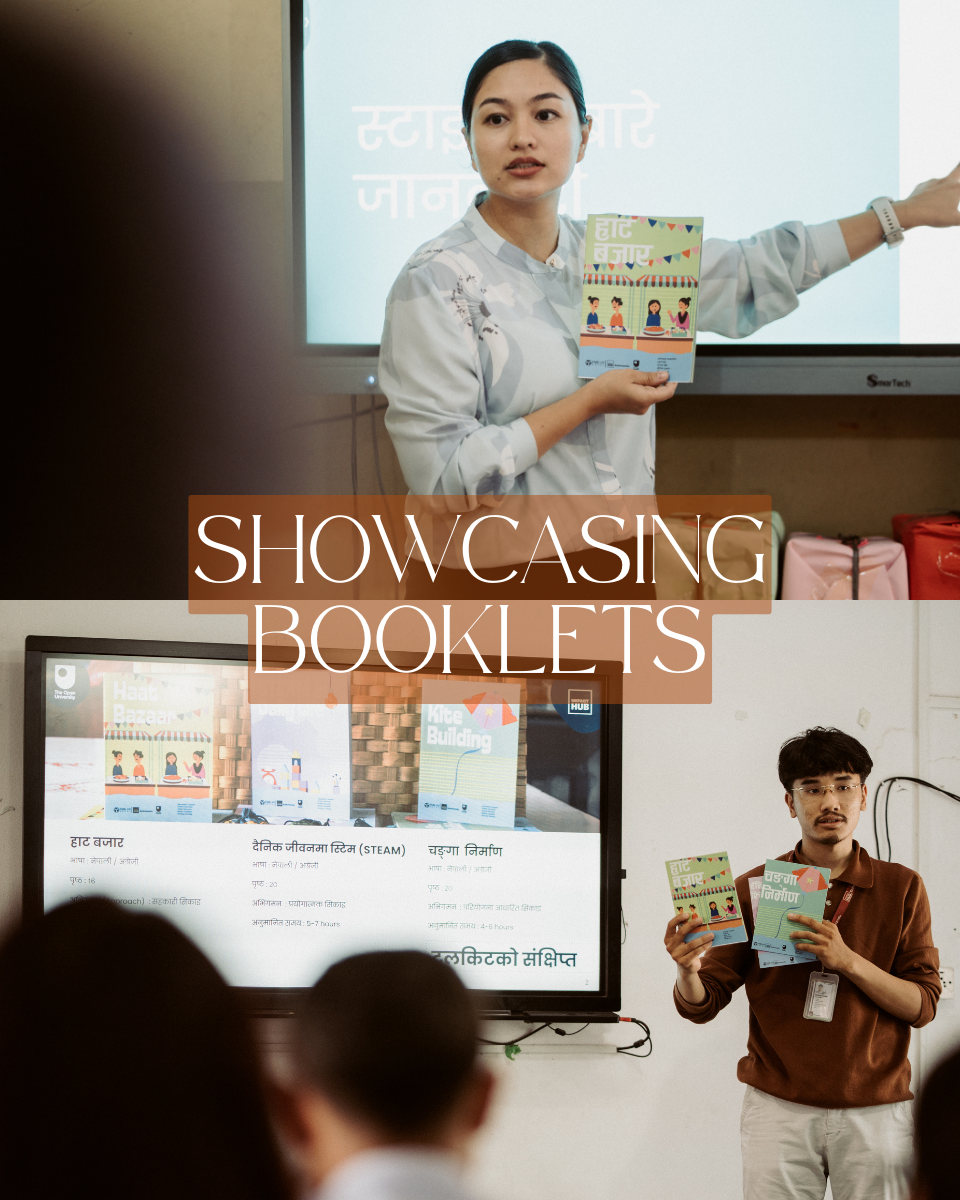
The main objective of STEAM Education Nepal is to give students enrolled in grades 6 access to STEAM education in Nepali CG schools, with a focus on young girls from low-income families.
The Challenge seeks to reduce the gender educational gap and prepare young girls for the difficulties of a fast-changing society by providing them access to fields that are thought to be largely male-oriented. The project’s long-term objective is to provide equitable access to STEAM education to a more significant number of CG schools, including those in more remote areas of Nepal.
The project also aims to build up schools’ resilience by providing them with the knowledge and skills to modify the kit and create their STEAM education activities and toolkits.
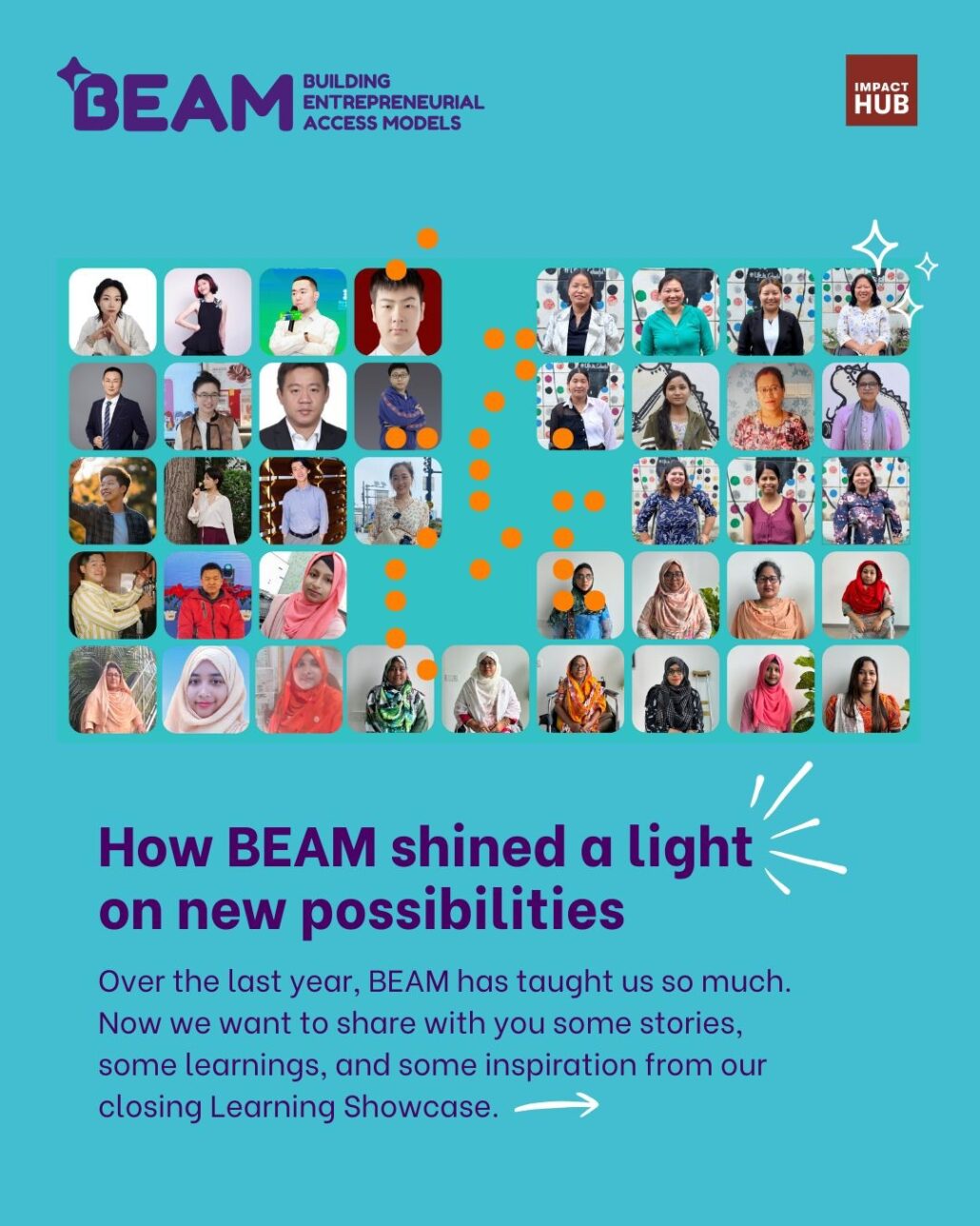
BEAM (Building Entrepreneurial Access Models) supports entrepreneurs with disabilities and those working in the disability space to grow their early-stage businesses in Kathmandu, Dhaka, and Shanghai.
This 6-month incubation program creates a supportive and inclusive environment by addressing financing gaps and offering accessibility support, empowering disability-led businesses to thrive. Through personalized mentorship, business strategy guidance, and seed funding, BEAM empowers entrepreneurs to build lasting, impactful ventures.
Supported by Metlife Foundation and implemented by 3 Impact Hubs in Asia, BEAM is more than just a program. It’s a space where entrepreneurs with disabilities and those driving innovation in the disability space can succeed, creating more resilient and sustainable communities across Asia.
“Paving New Pathways to Entrepreneurship for Women and Entrepreneurs with Disabilities”. Read More!

USAID Civil Society and Media (CSM) program is funded by USAID and implemented by The Asia Foundation in Nepal. Impact Hub Kathmandu is implementing the capacity development and leadership coaching program to support independent civil society to advance public interest, fundamental freedoms, and accountability.
The program has coached and supported 57 emerging civic leaders from across 7 different districts (Banke, Bardiya, Bara, Parsa, Rupandehi, Kapilvastu, and Dhanushadham) as of 2024, who are driving the movement for an equitable society, good governance and accountability.
USAID CSM Capacity Development and Leadership Coaching Program is a 6-month long program to support the emerging civic leaders of Lumbini and Madhesh province for their increased and meaningful participation in the public space. The program has been capacitating civic actors through interventions to develop their leadership skills, build provincial and cross-provincial networks, and establish a community of emotional support to build their resilience since the past two years.
The sessions were tailored to support civil society members with the aim to enhance the leadership of WYM communities, their influence in society and institutions, by enhancing their skills, knowledge, network, and resources. This year, the program capacitated 30 civic actors with leadership skills and 6 local mentors from the Lumbini and Madhesh provinces providing mentoring tools and techniques. In the first year (2023), the program supported 21 civic actors in the same region.
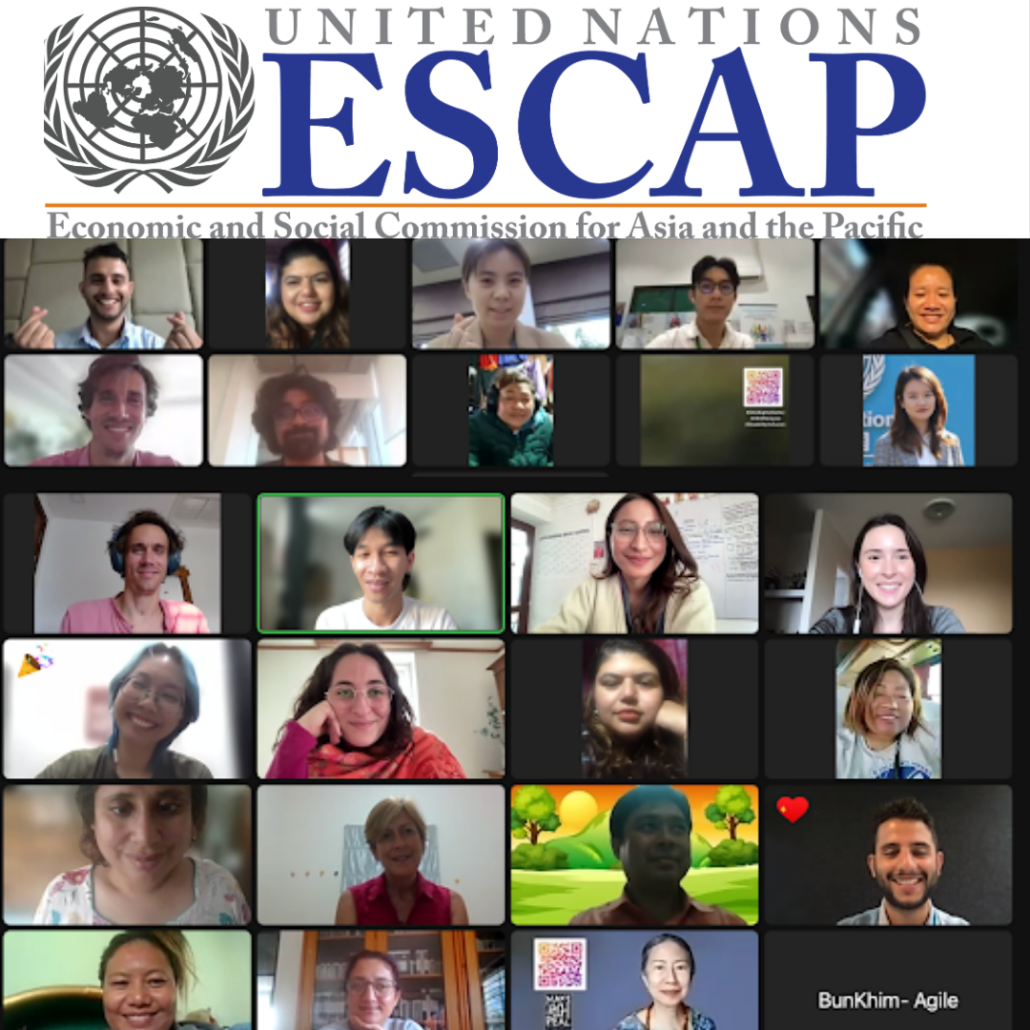
This project was funded by United Nations Economic and Social Commission for Asia and the Pacific (UNESCAP) with Impact Hub Dhaka, Impact Hub Phnom Penh as our regional partners. This partnership was to ensure that entrepreneurship support in Asia is accessible and inclusive for women with disabilities, with a specific focus on addressing the financing disparity and the underlying infrastructure that contributes to existing inequalities and barriers to access. The partnership aimed to bring together different stakeholders from Bangladesh, Cambodia, and Nepal, including disability-focused associations, to co-develop a methodology for disability-inclusive entrepreneurship.
The project conducted initial research and mapping of best practices from the Impact Hub Network and Community Partners, including Impact Hubs and their partners already working with women, gender minorities, and people with disabilities. This was achieved through in-depth interviews with women entrepreneurs with disabilities, the establishment of a local Community of Practice (LCoP), and a regional Community of Practice (RCoP) to facilitate mutual learning and knowledge exchange between 3 different Impact Hubs in Asia and other Entrepreneur Support Organizations (ESOs) in the region with disability support experience.
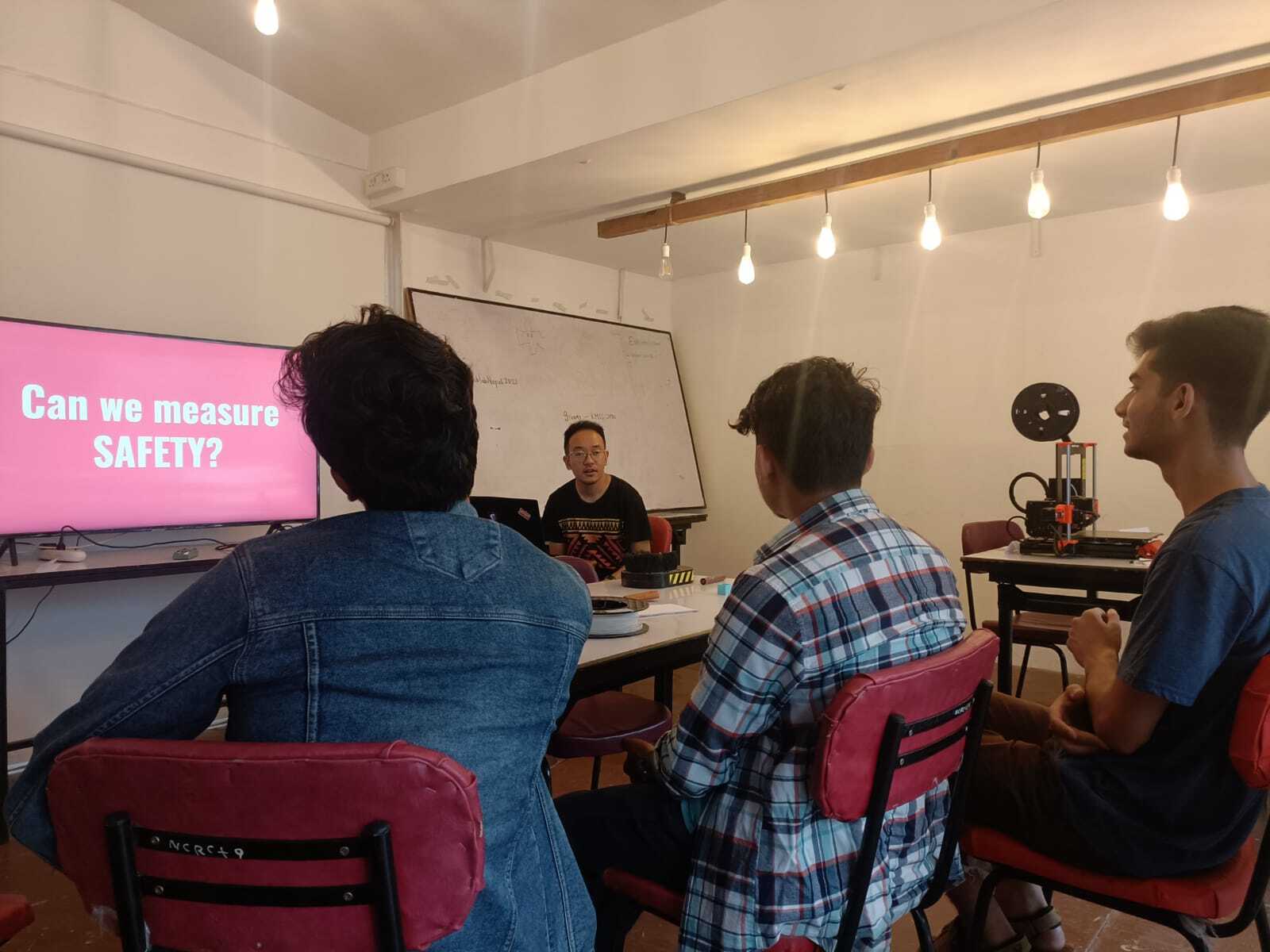
Funded by the Royal Academy of Engineers, this initiative by Impact Hub Kathmandu (IHK) aimed to promote a culture of safety in engineering and digital fabrication across Nepal. The program focused on educating professionals and students from various institutions on essential workshop safety protocols and best practices in digital fabrication.
In addition to providing theoretical knowledge, IHK also facilitated the distribution of Personal Protective Equipment (PPE) to all participating institutions. This not only reinforced practical safety measures but also empowered institutions to implement safer working environments, fostering a stronger foundation for responsible innovation and engineering practices in Nepal.
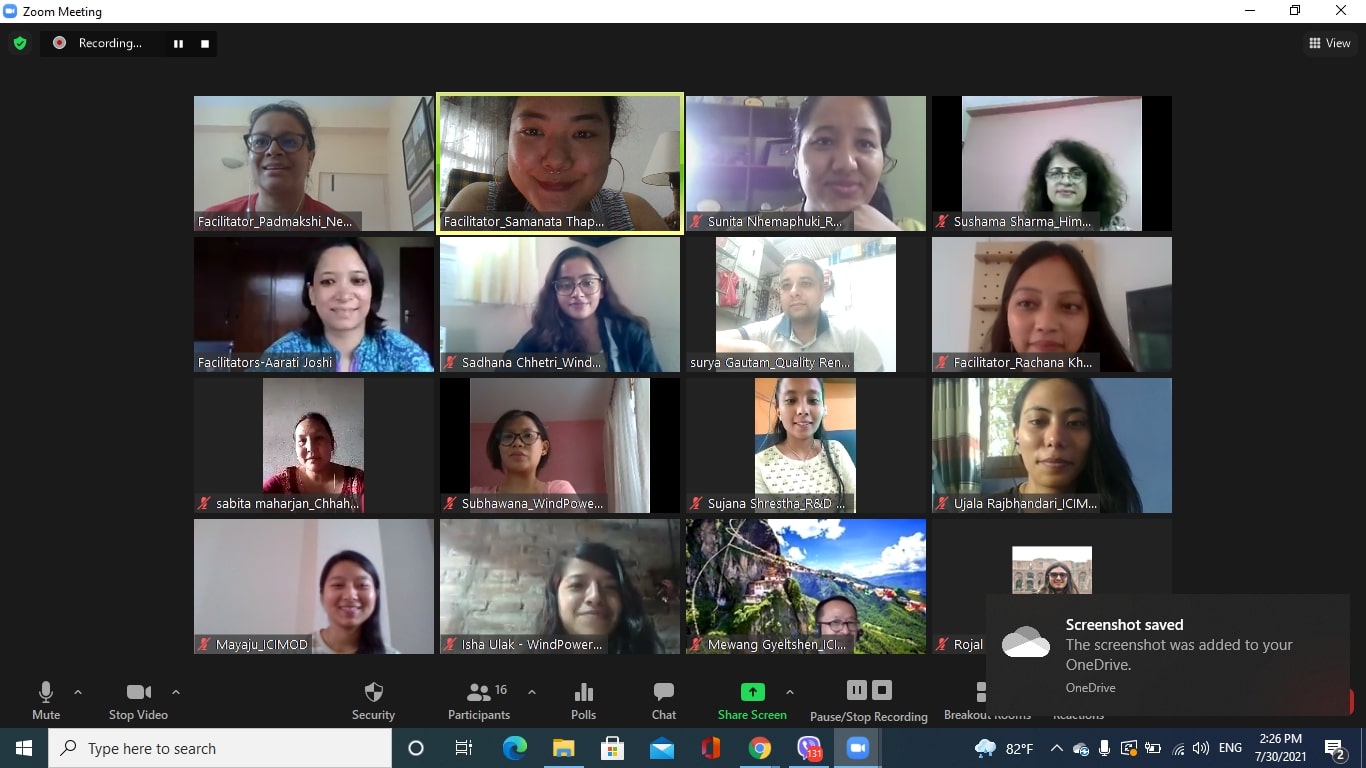
The Tourovation Hub and RESA incubation programs, contribute towards ICIMOD’s REEECH (Renewable Energy and Energy Efficiency Capability of the Hindu Kush Himalaya) objective to strengthen the tourism and agriculture entrepreneurial ecosystem – entrepreneurs, investors, and policy enablers, to integrate RE and EE solutions into small mountain enterprises across the HKH, and scaling up enterprises.
“RESA, meaning veins in Nepali, providing necessary nutrients to plants, the abbreviation, and the name perfectly resonates with the work we plan to do”. This intervention promotes a nexus between agriculture, renewable energy, and entrepreneurship. It focuses on bringing innovation in the agriculture value chain by introducing RE solutions to bring efficiency with environmental and social sustainability while making the business resilient.
With the aim to help Nepali agricultural enterprises (micro, small, medium enterprises – MSMEs) transform (incremental and/or radical) into resilient enterprises by developing sustainable business models, ICIMOD in collaboration with IH KTM and R&D Innovative Solutions will promote the adoption of RE and EE innovations. Nepal Communitere is the incubation implementation partner and R&D Solutions is providing the agriculture sector expertise. RESA is the second cohort of the Tourovation Hub Program.
Project Outcome: Design and development of sustainable business models for Nepal’s agricultural enterprises by adopting RE and EE approaches and solutions. The design and development of sustainable business models involve multi-stakeholder views and collaborations. The participation of public and private stakeholders from the agriculture and RE sectors will be crucial in supporting, advising, and ensuring the sustainability of the project.
Program Outline: The 8 agri-enterprises selected are currently going through the 6 month-long incubation program (July 2021 – December 2021). Each of the enterprises will receive the seed fund of NPR 2 lakhs to integrate RE solutions into their business. They come from varied backgrounds – technology developers (innovation), users (evidence generation), and service providers (capacity).
Program Benefits
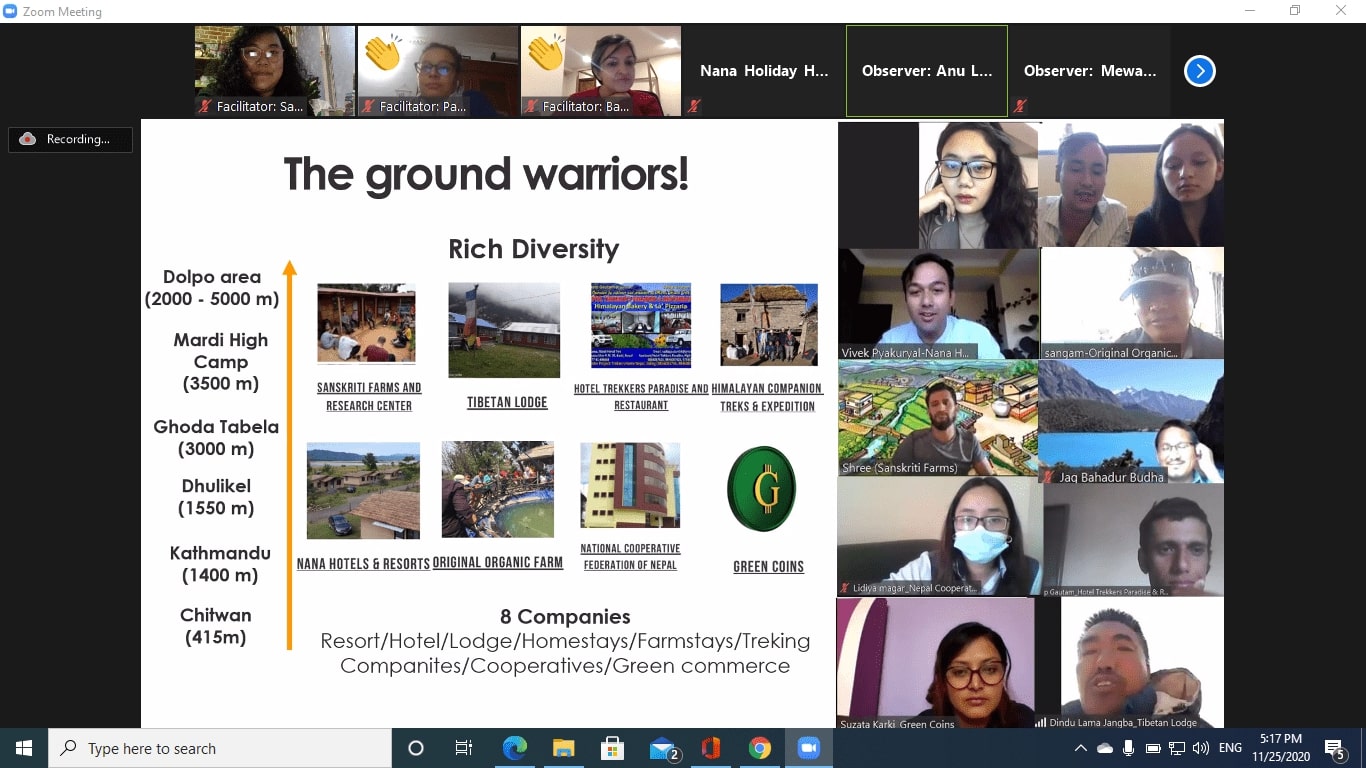
Tourovation Hub Program is an 18-months project titled Building Innovation for Nepal’s Tourism Sector by adopting renewable energy and energy efficient business models. We will be working jointly with ICIMOD and SELCO Foundation to support Nepali tourism entrepreneurs to harness innovative opportunities through ideation, incubation and acceleration of renewable energy (RE) and energy efficient (EE) solutions and approaches. The Tourovation Hub, contributes towards ICIMOD’s REEECH (Renewable Energy and Energy Efficiency Capability of the Hindu Kush Himalaya) objective to strengthen the entrepreneurial ecosystem – entrepreneurs, investors, and policy enablers, to integrate RE and EE solutions into small mountain enterprises across the HKH, and scaling up green tourism.
Tourism is one of Nepal’s largest industries. However, some of the current challenges for the sector include sustainable innovation, natural resource limitations, climate shocks (extreme weather, natural disasters), environmental degradation, lack of infrastructure for energy access, drinking water supply, road and air transport and publicity amongst others. More recently, the unprecedented nature of the COVID-19 pandemic comes with dire consequences for Nepal’s tourism sector. Tourism entrepreneurs and stakeholders estimate that the sector could lose “NPR 40 billion to the crisis, and anticipate job losses for 1.1 million workers”.
There is an urgency for Nepali tourism enterprises, particularly micro, small, medium enterprises, to explore innovative solutions and business opportunities in the short and long term that address the above challenges. So that they are able to deliver resilience by designing and developing sustainable value propositions and business models with the ability to absorb, adapt, and transform. In particular, RE and EE innovations that include multi-stakeholder views with business support services are integral for such business model innovation.
Program outcome: Design and development of sustainable business models for Nepal’s tourism enterprises by adopting RE and EE approaches and solutions. The design and development of sustainable business models involve multi-stakeholder views and collaborations. The participation of public and private stakeholders from the tourism and RE sectors will be crucial in supporting, advising, and ensuring the sustainability of the project.
Program outline: 8 tourism enterprises were selected through the ideation phase – design sprints, in October 2020 to participate in a 7-month-long incubation program (November 2020 – May 2021). Each of the enterprises successfully received the seed fund of NPR 2 lakhs to integrate RE solutions into their business. With the completion of the incubation phase, four enterprises are now in the acceleration phase – access to finance and post-investment coaching (June – December 2021).
The dynamic 8 tourism enterprises
Steering Committee Members
Program Benefits
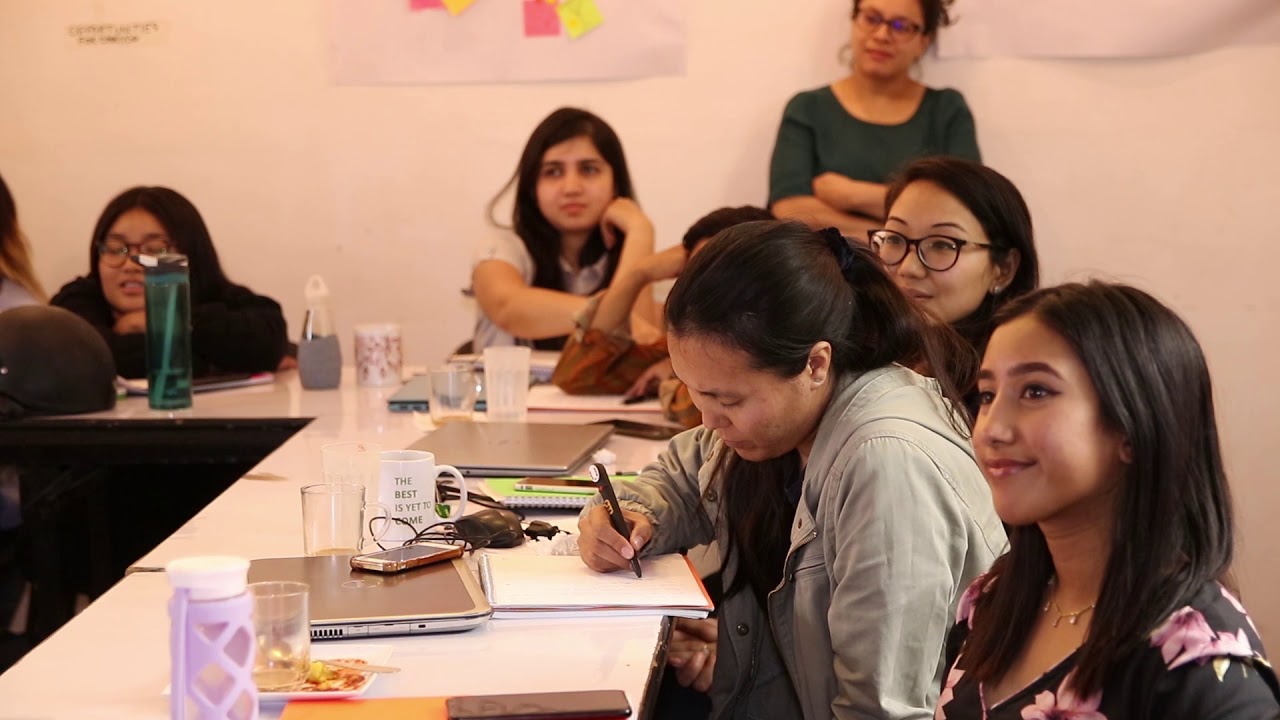
American Arts Incubator (AAI) is a creative exchange program that utilizes community-driven digital and new media art projects to instigate dialogue, build communities, bolster local economies, and further social innovation. Each incubator addresses a relevant social or environmental challenge such as economic equity, youth empowerment, gender equality, and environmental health.
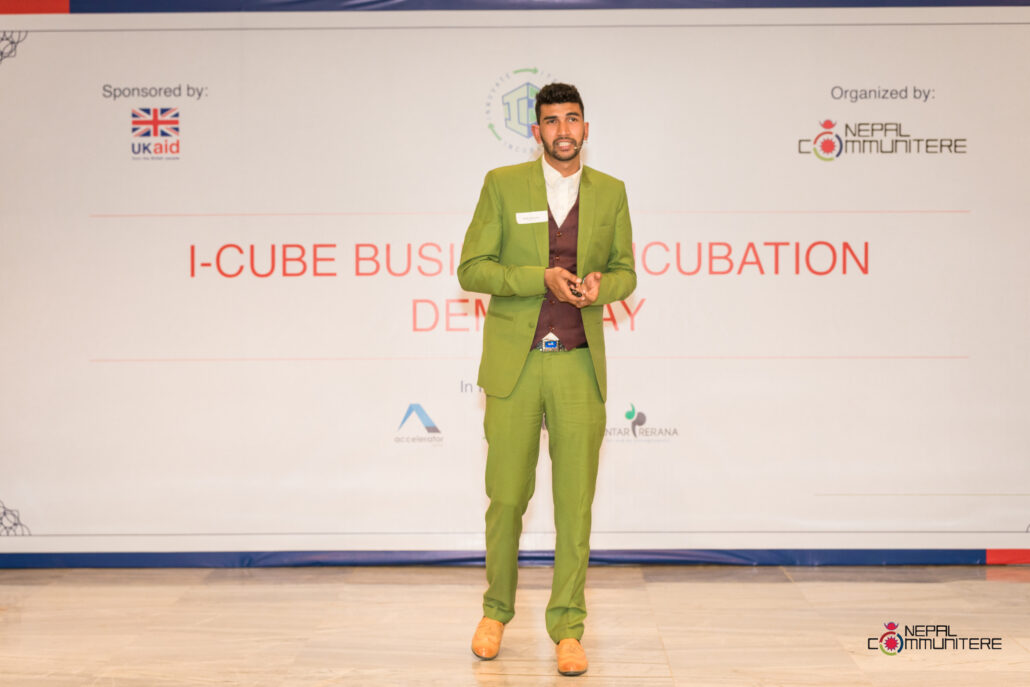
24 early stage startups (4 cohorts) incubated across 4 years, in urban areas of Nepal – Kathmandu and Chitwan, to create jobs, increase sales and access finance.