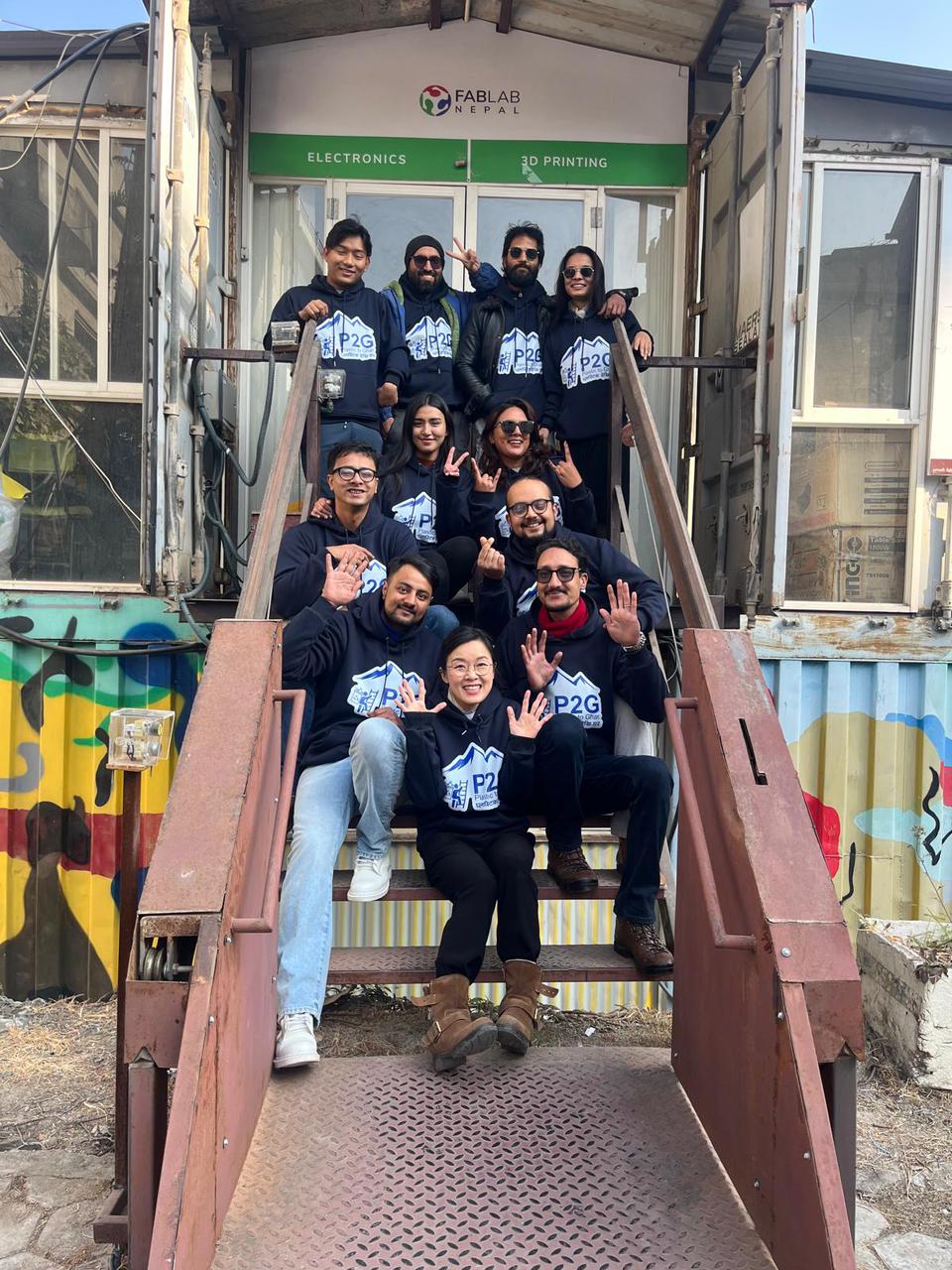
Pioneering Change: How Kleanit Upcyclers is Revolutionizing Waste Management in Nepal
In a world of environmental crises, Kleanit Upcyclers stands out as a beacon of hope, redefining waste management and promoting sustainability in Nepal. Founded by a trio of visionaries – Shashikiran Thapa (CEO), Milan Bohara (CFO), and Ashutosh Dahal (Project Manager, IT) – the company is driven by the belief that sustainable living can be both practical and attractive. This article explores their journey, mission, and groundbreaking initiatives.
Kleanit Upcyclers emerged when Milan Bohara returned to Nepal after studying Computer Science in the United States of America. Witnessing the dismal state of waste management and air quality, the founders were inspired to act. Initially motivated by a plastic-free lifestyle, they soon realized the need for scalable, practical solutions, leading to the birth of their company.
Kleanit Upcyclers’s aims to make sustainable living appealing while educating communities about the value of waste. Their journey began with late-night research and small-scale experiments, often inspired by innovative recycling ideas found online. Over time, they expanded these efforts, turning vision into action.
Starting from scratch was not without hurdles. The team’s lack of engineering and technical expertise initially slowed progress. However, their determination led them to explore solutions, recruit specialists, and develop innovative recycling methods. This persistence has become a hallmark of their success.
Community engagement is central to Kleanit Upcyclers’s approach. One standout initiative is the Cycle Shredder, a project designed to involve local communities in plastic shredding. This hands-on activity not only educates participants but also rewards them with products made from recycled materials. Such initiatives highlight the tangible benefits of sustainable practices.
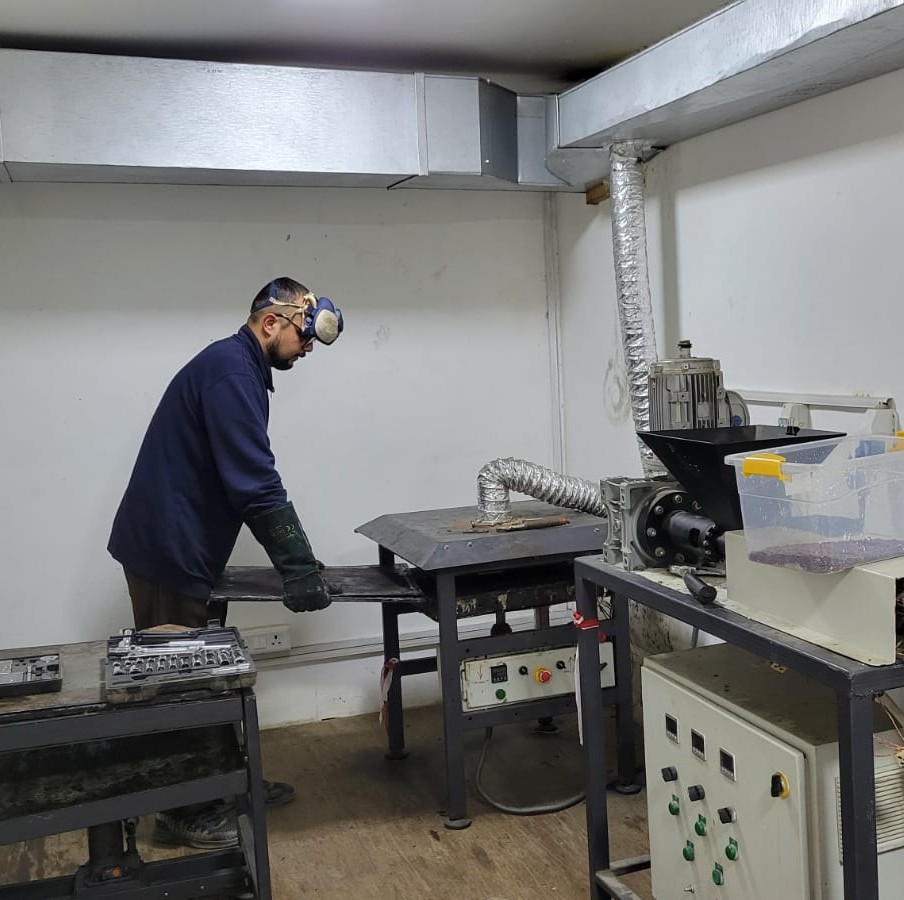
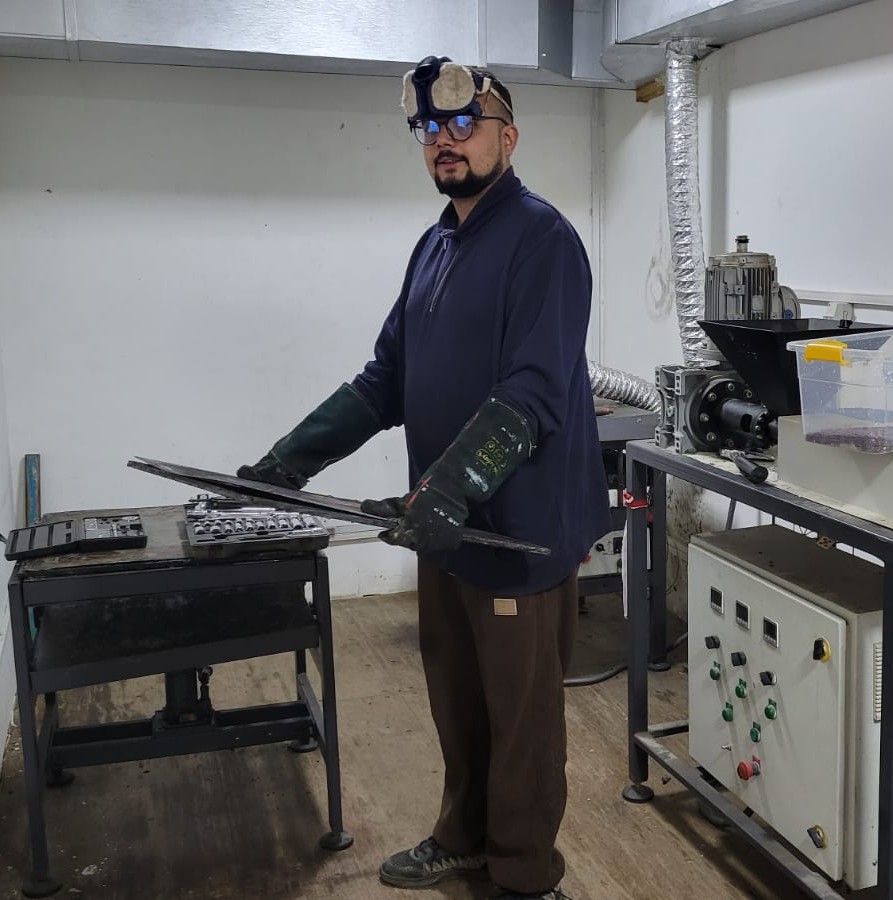
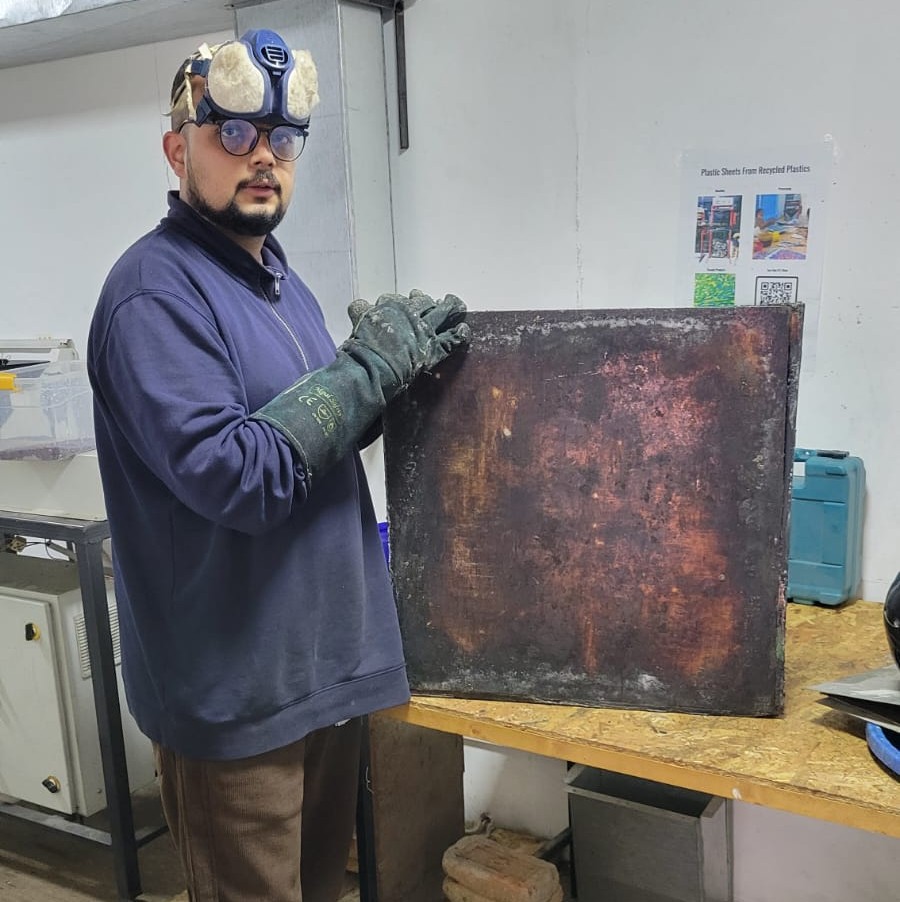
Kleanit Upcyclers have been visiting FabLab Nepal’s Plastic Room, where they process plastic waste into durable plastic boards. They carefully place the plastics onto the die, apply heat and pressure using the hot press and cold press, and finally remove the die to complete the transformation. These boards have been extensively used to make upcycled plastic furniture which significantly increases the lifespan of plastic (bottles). Here, is the place where waste turns into worth.
Kleanit Upcyclers has undertaken several impactful projects, including:
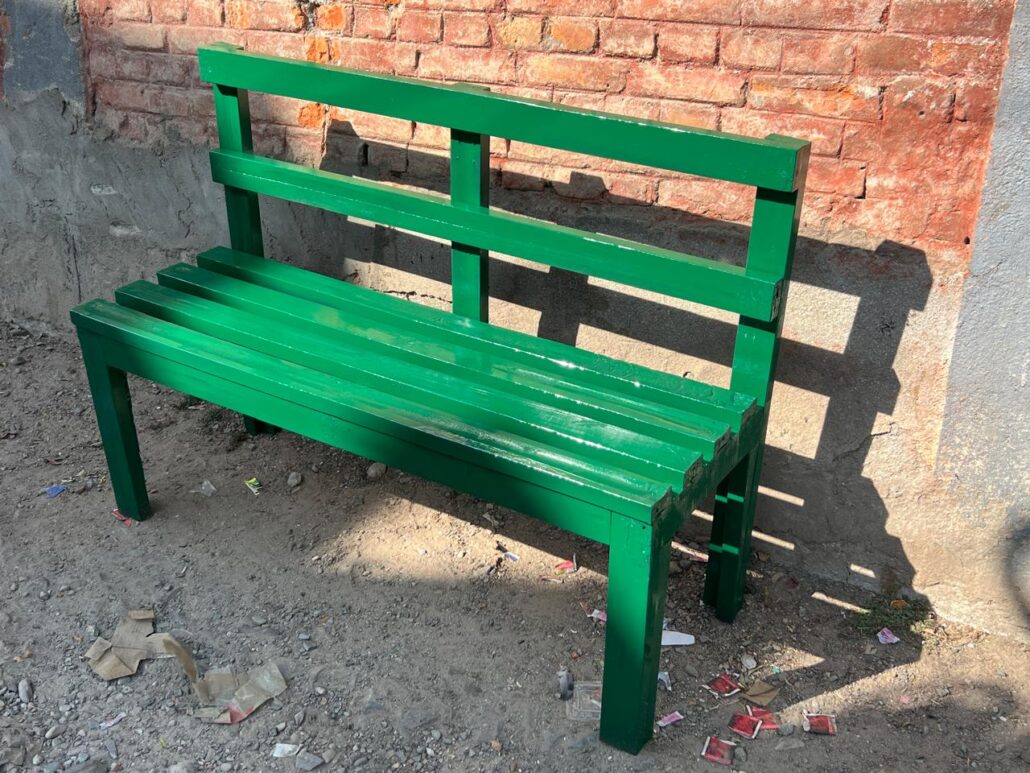
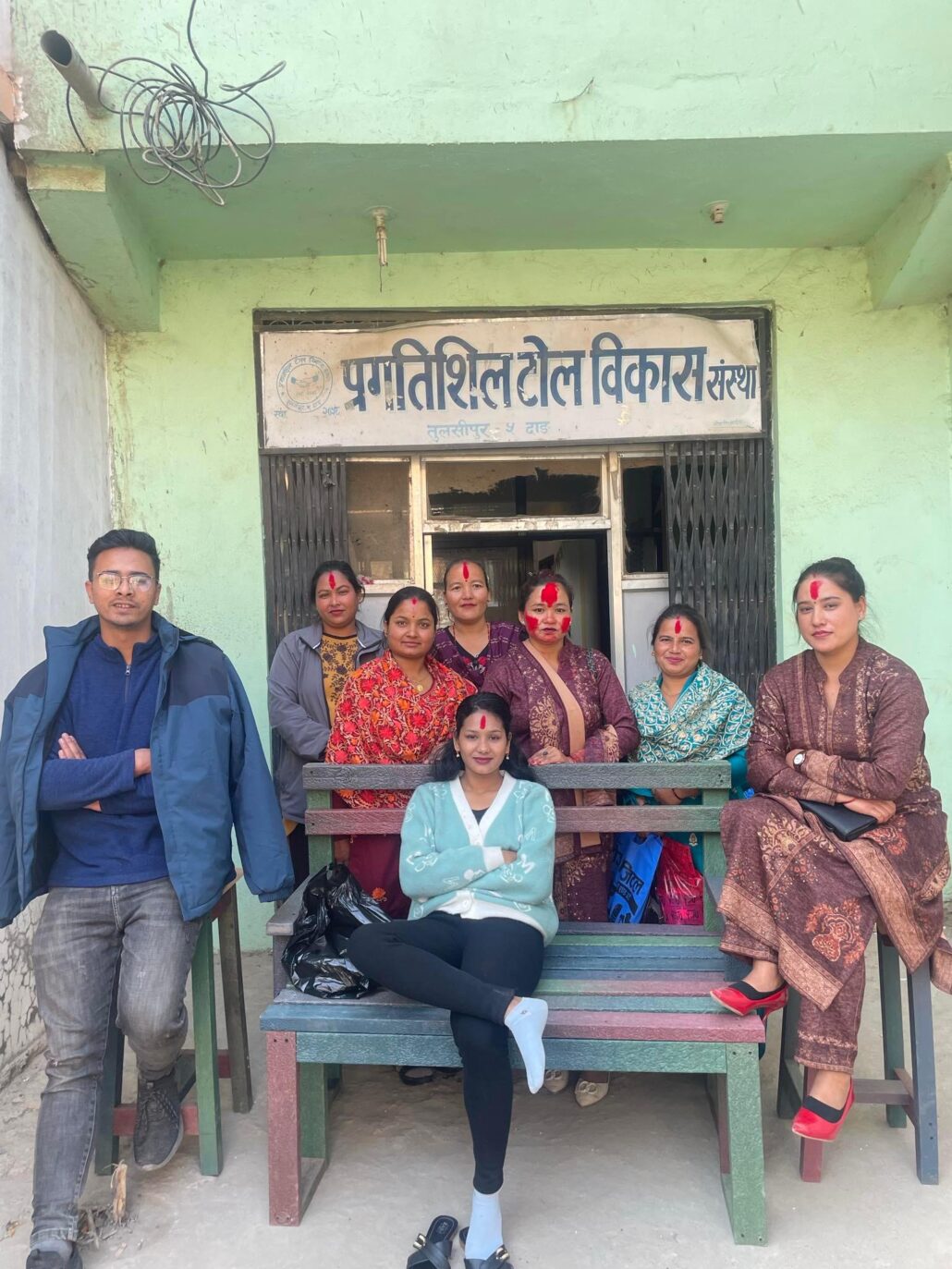
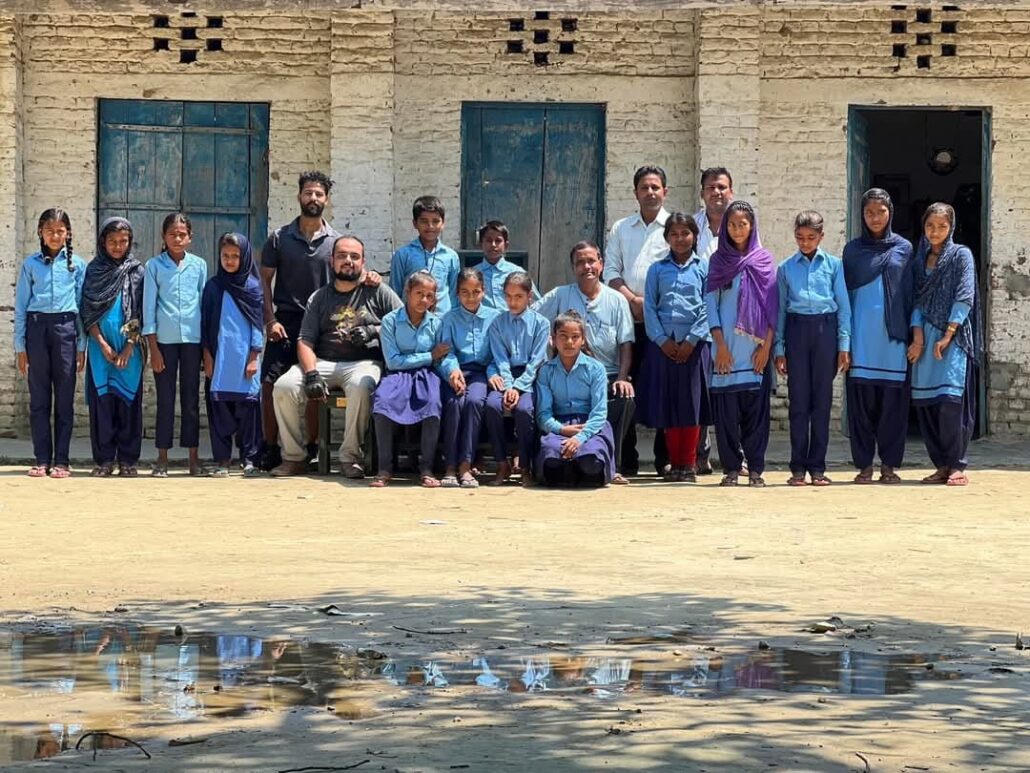
These projects underscore their commitment to blending practicality with environmental stewardship.
Despite challenges, the team’s unwavering determination has kept them moving forward. They emphasize the importance of finding daily motivation and turning setbacks into opportunities for growth.
Looking ahead, Kleanit Upcyclers aims to expand its reach across Nepal. Their vision includes expanding collaborations with NGOs, government agencies, and informal waste collectors, promoting plastic waste management in both urban and rural areas, and establishing a stable market for upcycled and recycled products.
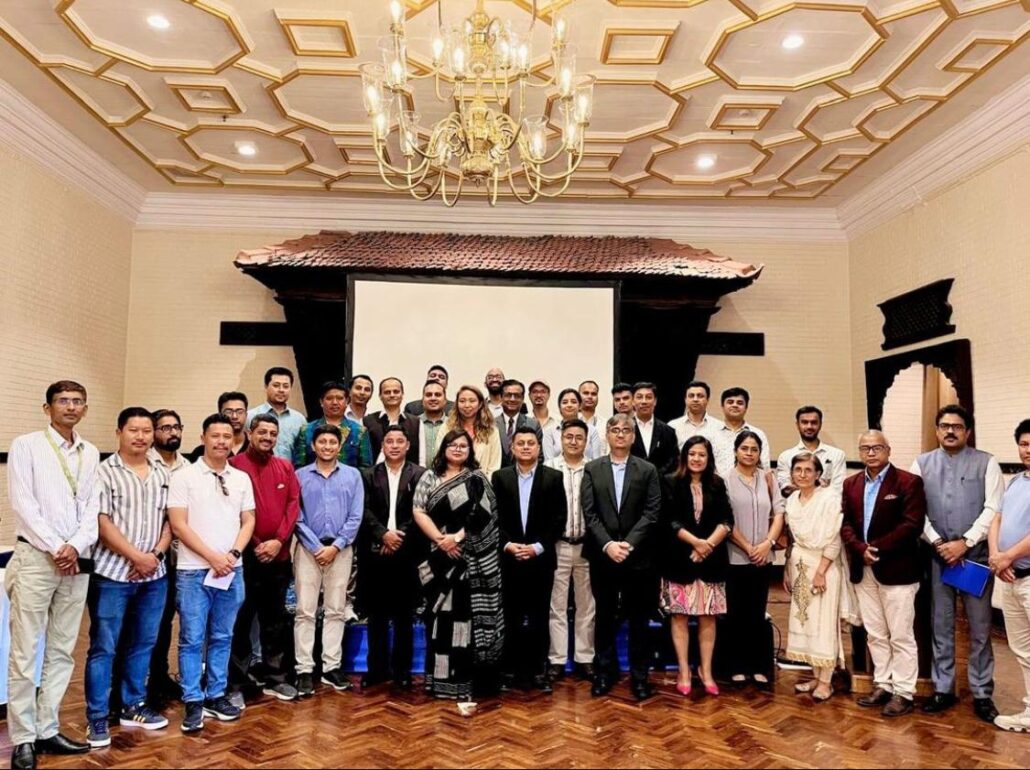
Their emphasis on collaboration, rather than competition, highlights a progressive mindset focused on collective impact.
Kleanit Upcyclers has recently intensified efforts to promote green procurement policies, ensuring sustainable products become the norm. They actively work with; NGOs: for holistic and community-driven initiatives, Government Agencies: to push policy-level changes, Informal Waste Collectors: transforming low-value plastics into durable goods like shelters, and Recycling Companies: producing innovative products that address both environmental and social needs.
Kleanit Upcyclers exemplifies how grassroots initiatives can address global challenges like waste management. By combining education, technology, and collaboration, they have set a new standard for sustainable practices in Nepal.
Milan Bohora, CEO of Kleanit Upcyclers, says, “Don’t just throw plastic waste anywhere. If you want to learn more about plastic recycling, come to us—contact us directly or bring the plastic to us. We upcycle it into valuable products. The best thing people can do is segregate plastic at home instead of mixing it with other waste.“
Their story is a powerful reminder that persistence and innovation can drive meaningful change, inspiring communities to view waste not as a problem, but as a resource.
For more updates, follow Kleanit Upcyclers on Instagram and Facebook as they continue their journey toward a cleaner, greener future!