The project team Plastic to Ghar (P2G), led by Dr. Curie Park and PI Prof. Steve Evans from the Centre for Industrial Sustainability and locally implemented by Impact Hub Kathmandu, successfully established the first plastic innovation hub in Ree Village. This remote community of 115 households, located 150 kilometers from Kathmandu at the foot of the Ganesh Himal range, now serves as a model for sustainable plastic waste management and local entrepreneurship. This achievement is one of the biggest milestones for the project. Since 2022, P2G has been dedicated to creating localized plastic waste innovation ecosystems across Nepal. By incubating local start-ups, the initiative transforms plastic waste into valuable housing products while ensuring that efforts are community-driven. P2G provides essential technical and business coaching, machine support, and value chain development to empower local enterprises. After three years of preparation and a long wait for the delivery of machinery from India, Ree Village and its satellite collection center are finally ready to operationalize the hub. The machines and equipment were sourced through a combination of imports from India, local manufacturing in Nepal, and direct purchases within Nepal. This facility addresses the dual challenges of plastic waste management and the scarcity of building materials in remote areas, setting a precedent for sustainable rural development.
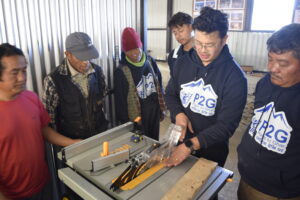
Setting up the Community Recycling Center (CRC) in Ree Village demanded meticulous planning and unwavering determination. Essential equipment, including a plastic shredder, heat and cold press machines, a T-shirt heat press, a table saw, a router, and various prototyping tools, was transported ahead of the team’s arrival. Once the machines reached the village, with invaluable support from Kaisarki dai, Bishal dai, and local villagers, they were manually carried—despite weighing around 300 kilograms—into the facility without the aid of cranes or forklifts. On January 16, 2025, at 8 a.m., Pallab and Amrit from the P2G technical team, along with Rahul and Aakash from Paramendo and their driver Suresh, embarked on a grueling 10-hour off-road journey to Ree. The trip was fraught with challenges, from navigating treacherous terrain to enduring poor road conditions. Despite these obstacles, all machines arrived safely. However, during inspection and testing, a misalignment was discovered in the grinder machine’s blade. The team carefully realigned it, ensuring optimal performance and underscoring their commitment to safety and precision.
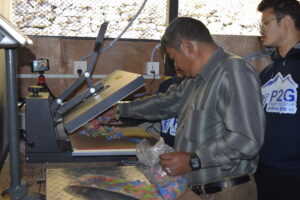
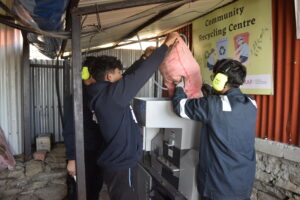 The implementation process of the recycling hub covered multiple critical aspects: transporting and setting up the machines, installing electrical infrastructure, refining facility layout, testing equipment, conducting hands-on training with safety gear, and final handover. Each step reflected the team’s dedication to efficiency, safety, and community empowerment, ensuring the CRC was fully operational and ready to serve its purpose. Safety was a top priority throughout the process. The project provided comprehensive safety equipment, including protective eyewear, gloves, masks, ear muffs, and fire extinguishers, ensuring secure operations. Local community members were trained extensively on machine operation and safety protocols, with a focus on handling the plastic shredder and press machines. These training sessions empowered local youth, fostering skilled employment opportunities and ensuring the long-term sustainability of the center.
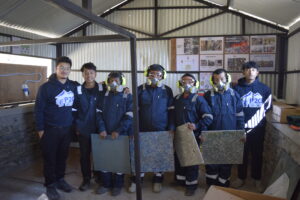
The P2G team with Paramendo Nepal trained 8 local villagers in safe machine operation and maintenance, demonstrating the full process of waste preparation to board and sheet making and post-processing. Ree Village and its neighbouring communities are thrilled to have their first technical innovation facility in the region. Under Paramendo’s leadership, the village will begin producing floor and roof tiles, as well as furniture for their residents. The Hub’s new potential to revalorise waste will incentivise adjacent villages to collect and segregate more plastic waste, which they would otherwise burn or dump in nature. This will gradually empower locals to overcome environmental challenges posed by plastic waste, creating a lasting social impact.
Technology plays a crucial role in enabling a circular economy for plastic waste. Yet, Nepal’s mountainous terrain, bureaucratic import procedures, and high costs create persistent barriers to access. Against these challenges, the P2G project, funded by FCDO, is laying the groundwork for a shift toward plastic circularity, proving that innovation and determination can overcome even the toughest obstacles.
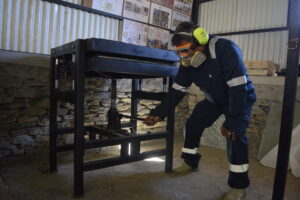
The CRC’s impact extends far beyond waste recycling. Specialized training programs have engaged local youth, instilling a sense of ownership and environmental responsibility within the community. These programs equip participants with valuable skills, creating employment opportunities and fostering economic resilience.
Building on the success in Ree village, the P2G project aims to expand this model to neighboring communities. We are in discussion to set up the second Hub in Ruby Valley, a community about a one-day walk from Ree Village! They are fascinated by the sustainable village development potential that the Hub can bring to the region. By supporting our incubate, Paramendo with collaboration with local government, the initiative seeks to replicate its success, ensuring the benefits of plastic recycling reach more remote regions.
Rahul, the CEO of Paramendo adds “We were expecting to see a lot of snow-capped mountains during this trip. But there was not so much, even if it was the peak winter season. This is very sad, and another reason why we should work on reducing pollution. It is great that we could establish the Himalayan Community Plastic Hub in Ree to involve our community to fight against climate change.”
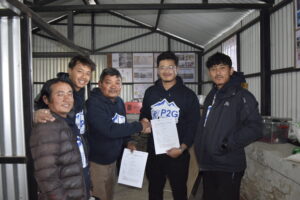
Through careful planning, community engagement, and technological innovation, the P2G project has established a model that tackles plastic waste while strengthening local economies and improving access to essential building materials. As the center continues to operate under local management, with ongoing support from the SMEP, it stands as a testament to the transformative power of collaborative solutions in fostering sustainable environmental and social impact.