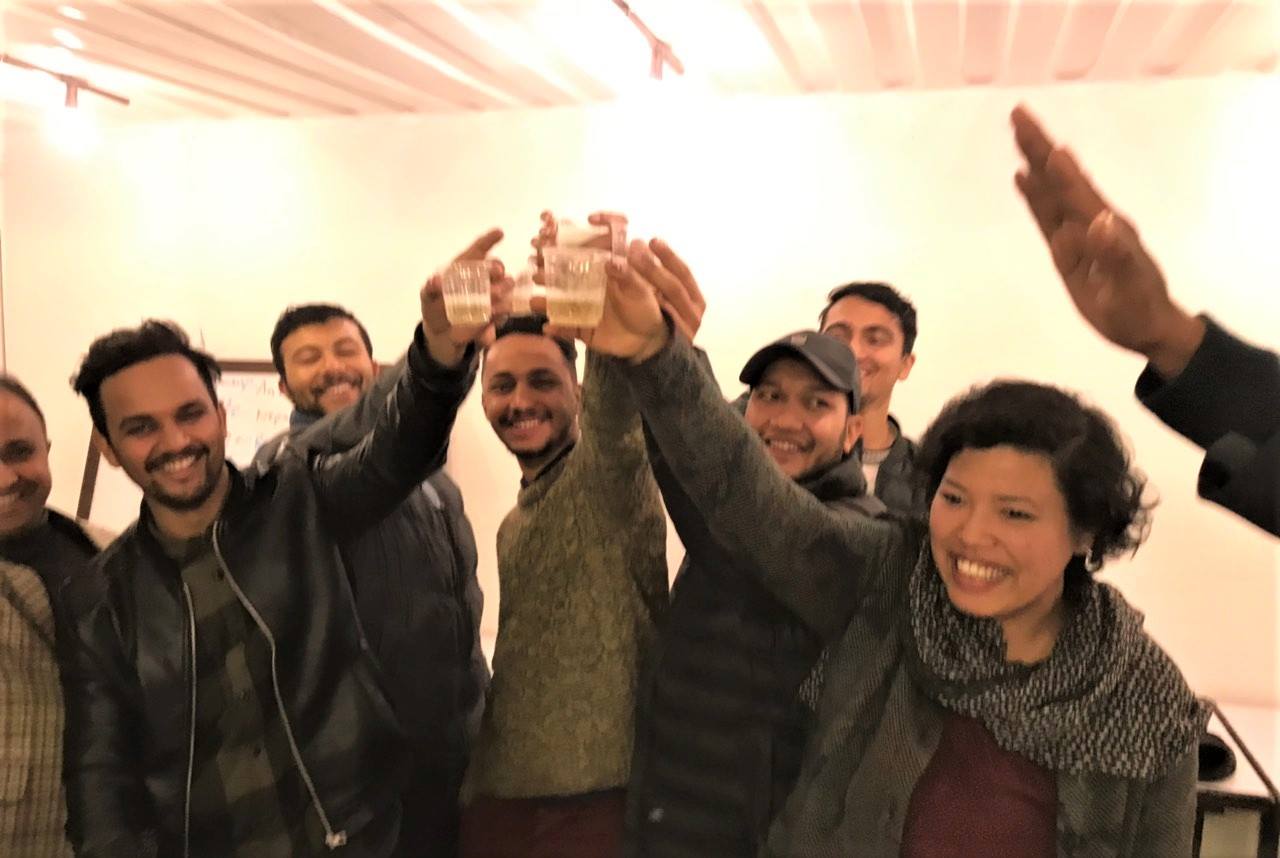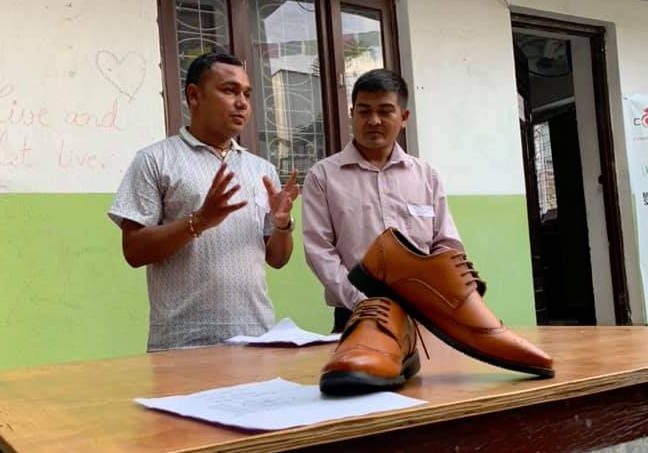
The National Stakeholder Consultation on Advancing Affordable, Accessible, and Available Assistive Technology/Devices for Persons with Disabilities Focused on Gender and Social Inclusion took place on February 27, 2025, at Alice Conference, Kupondole. This event was pivotal in discussing the challenges and opportunities surrounding the accessibility and affordability of assistive devices in Nepal, with a focus on the needs of women, girls, and marginalized groups. The consultation provided a platform for government representatives, disability organizations, service providers, and members of the disability community to explore ways to improve access to assistive technology (AT) and ensure that solutions were both inclusive and gender-sensitive.

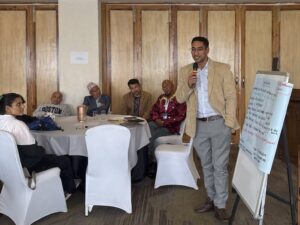
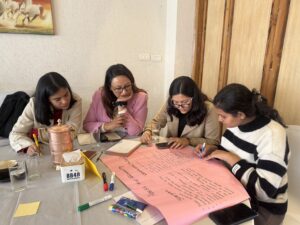
Facilitated by Dr. Madhurima Bhadra (GEDSI Expert) and Bisheshta Shrestha (GEDSI Consultant), the workshop included thematic breakout sessions aimed at identifying challenges and crafting actionable solutions.
These sessions focused on five key areas: Stakeholder Collaboration, Policy and Institutional Gaps, Gender Equality and Social Inclusion (GEDSI), Digital and Technology Inclusion, and Access and Affordability. Each session addressed challenges, strengths, opportunities, and threats within its area.
1. Stakeholder Collaboration
Collaboration among stakeholders is crucial to advance the inclusion of persons with disabilities. While there is potential for collaboration across government, NGOs, private sectors, and development partners, several challenges remain. These include a lack of a unified forum, inconsistent implementation of policies, and insufficient media support. However, opportunities such as raising awareness through media, examining best practices, and collaborating with various organizations provide pathways to overcome these obstacles. Additionally, local governments must play a more active role in addressing the needs of communities.
 2. Policy and Institutional Gaps
The workshop identified significant gaps in policy and institutional support for persons with disabilities. While the Constitution guarantees the rights of persons with disabilities, the implementation of policies remains a challenge. Stakeholders noted the lack of local representation, inadequate access to disability-related materials, and insufficient involvement of experts in high-level policymaking. However, the enactment of critical legislation such as the Disability Related Act 2074 and Disability Related Regulations 2066 provides a foundation for progress. Recommendations include making policy implementation mandatory, enhancing advocacy, and improving employment and health insurance opportunities.
 3. Gender Equality and Social Inclusion (GEDSI)
Gender equality and social inclusion were central to the discussions. While there is strong advocacy from community focal agencies and parents, stakeholders noted that outreach programs and educational resources are insufficient. Challenges such as inaccessible infrastructure, language barriers, and lack of school enrollment for individuals with disabilities hinder progress. Nevertheless, financial support, educational initiatives, and access to assistive technologies offer opportunities for improvement. There is also a pressing need to address gender-based violence and reproductive health concerns for women with disabilities.
 4. Digital and Technology Inclusion
Digital inclusion presents both challenges and opportunities. Local governments are beginning to develop supportive policies, and the availability of digital platforms has made it easier to access information and promote inclusivity. However, disparities in digital access, especially in rural areas, remain significant barriers. Furthermore, social isolation and reliance on digital platforms can exacerbate issues. Despite these threats, technological advances such as 3-D printing for prosthetics, and affordable digital tools like AAC devices, are promising solutions. Expanding digital literacy programs tailored for persons with disabilities is a crucial step forward.
 5. Access and Affordability
Access and affordability of assistive devices were identified as major issues during the consultation. Although there is a gradual increase in stakeholder sensitization, political instability, geographical barriers, and inadequate funding remain key challenges. Advocacy efforts, such as the formulation of a 10-year disability action plan, offer a significant opportunity for change. Additionally, providing access to assistive devices in local languages and involving persons with disabilities in the design and implementation of programs is essential.
Key Recommendations
Several key recommendations emerged from the consultation, addressing the identified challenges in policy implementation, stakeholder collaboration, and digital inclusion. These recommendations include:
– Enforcing mandatory implementation of disability-related policies at all levels.
– Increasing the representation of persons with disabilities in policymaking bodies.
– Developing gender-sensitive assistive technology programs that address the unique needs of women with disabilities.
– Launching nationwide awareness campaigns to reduce stigma against persons with disabilities.
– Ensuring disability-friendly infrastructure in schools, workplaces, healthcare centers, and public spaces.
– Providing affordable access to assistive technologies through subsidies or grants.
– Expanding digital literacy programs to bridge the digital divide.
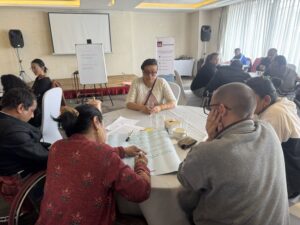
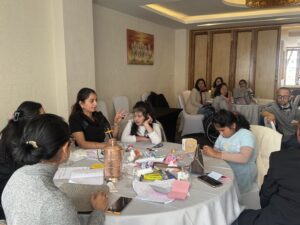
The National Stakeholder Consultation Workshop provided a critical platform for dialogue, collaboration, and action planning on advancing assistive technologies in Nepal. By addressing the gaps in policy, funding, and awareness, and fostering inclusive practices, Nepal can move towards a more accessible and inclusive future for persons with disabilities, particularly women and marginalized groups.
As we continue to work towards these goals, it is essential that all stakeholders—government, civil society, the private sector, and persons with disabilities—collaborate to create a more inclusive society where everyone has the opportunity to thrive.