Impact Hub Kathmandu, in partnership with Design Lab, Kathmandu University and with support from the Asian Development Bank (ADB) and Japan Fund for Prosperous and Resilient Asia and the Pacific (JFPR), successfully completed a 3-days Makeathon. This makeathon particularly focused on adaptive devices, a type of assistive device that aids people with disabilities.
A makeathon is a brief but intensive experience where people gather together to hack, build, tinker, and create something new. This makeathon focused on designing and fabricating adaptive devices for persons with disabilities. The distinguishing feature of this makeathon was that it included persons with disabilities in the design process and followed a participatory and human-centered design approach. Additionally, this event encouraged cross-sectoral collaboration, bringing together people from different backgrounds, including engineers, students, civil society organizations, and occupational therapists, to work towards a common goal.
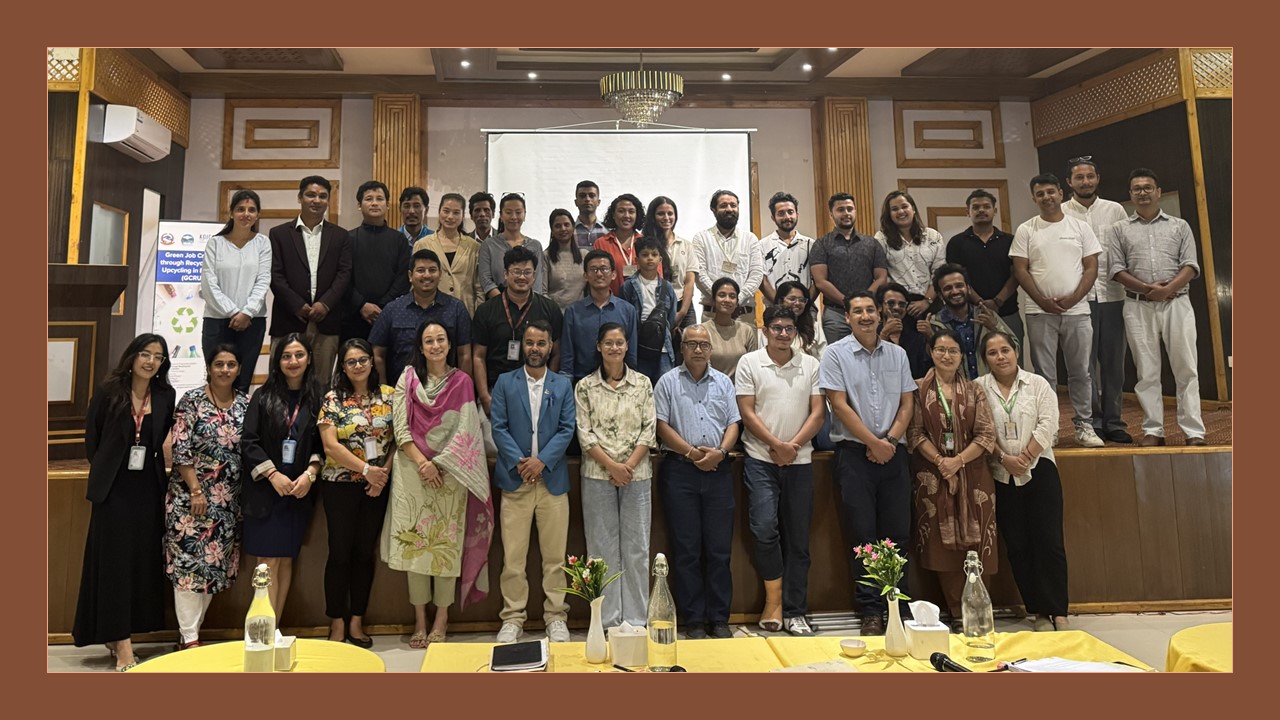
During the makeathon event, we had about 100 participants, including 42 engineers, 3 occupational therapists (OTs), 1 prosthetist and orthotist, 10 school and high school students, and the rest from various CSOs and non-profit organizations. The low ratio of OTs highlighted the need for more occupational therapists in Nepal. According to Ganga Gurung, an occupational therapist, only 7 National Health Professional Council-registered are practicing OTs across the country.

The event began on the morning of February 16th with opening remarks from Rudi Louis Hendrikus Van Dael, Principal Social Sector Specialist from ADB; Kamala Ghimire, Under Secretary of the Ministry of Women, Children, and Senior Citizens (MoWCSC); Padmakshi Rana, Executive Director of Impact Hub Kathmandu; and Pratisthit Lal Shrestha, Assistant Professor in the Department of Mechanical Engineering. With inspiring speeches and a warm welcome to the experts from Japan—Naoki Hamanaka (FabLab Shinagawa), Sonoko Hayashi (FabLab Shinagawa), Koji Yamada (Former Chief Advisor of CST FabLab Bhutan), and Ryotaro Hayashi (ADB)—the formal program commenced.
Sonoko Hayashi, an occupational therapist, explained the steps participants needed to take to create an impactful product. The participants were divided into six groups, each including at least one person with a disability, referred to as the “need knower.” Each team allocated specific roles, such as team leader, prototyping leader, documentation leader, and testing leader, to guide their work over the three days. Sonoko also introduced the Occupational Design Worksheet, which was essential for interviewing the need knowers to understand their specific and most prioritized needs. The first day ended with a short progress presentation from each team on their assessment of the need knowers’ requirements.
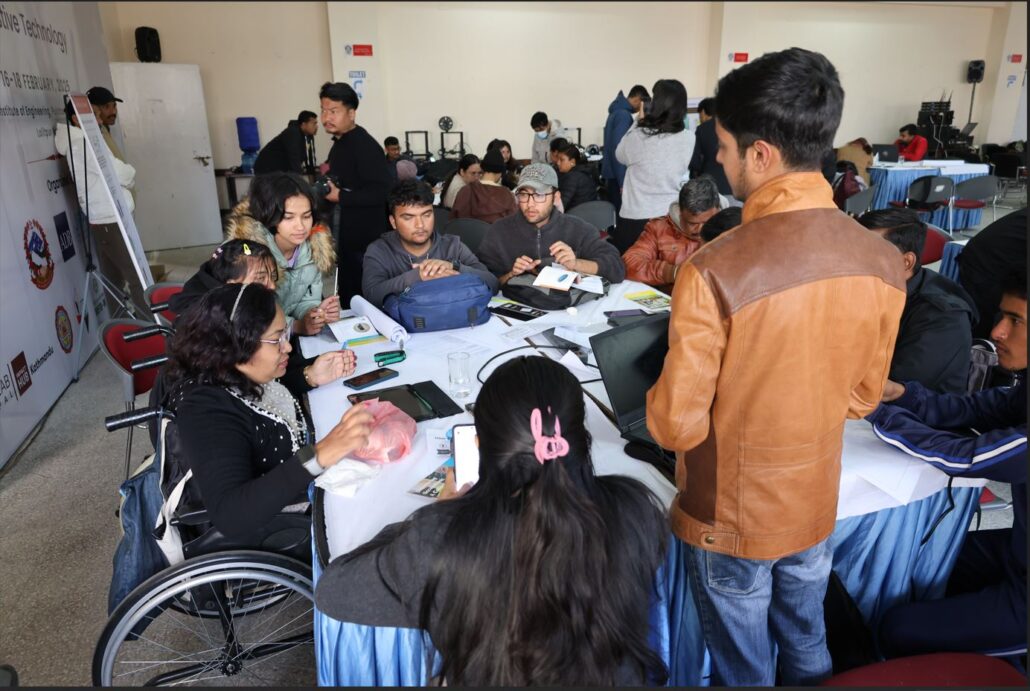
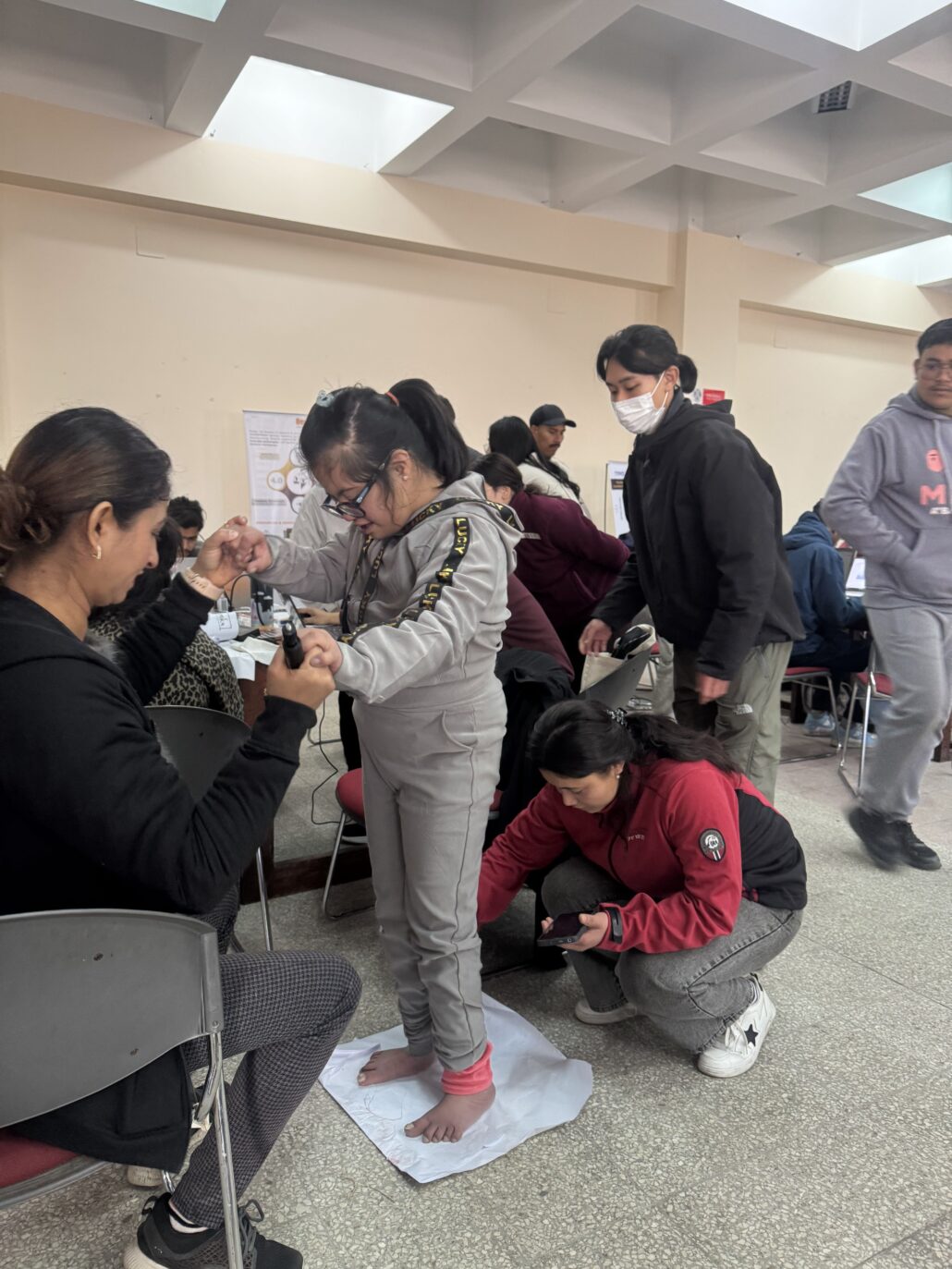
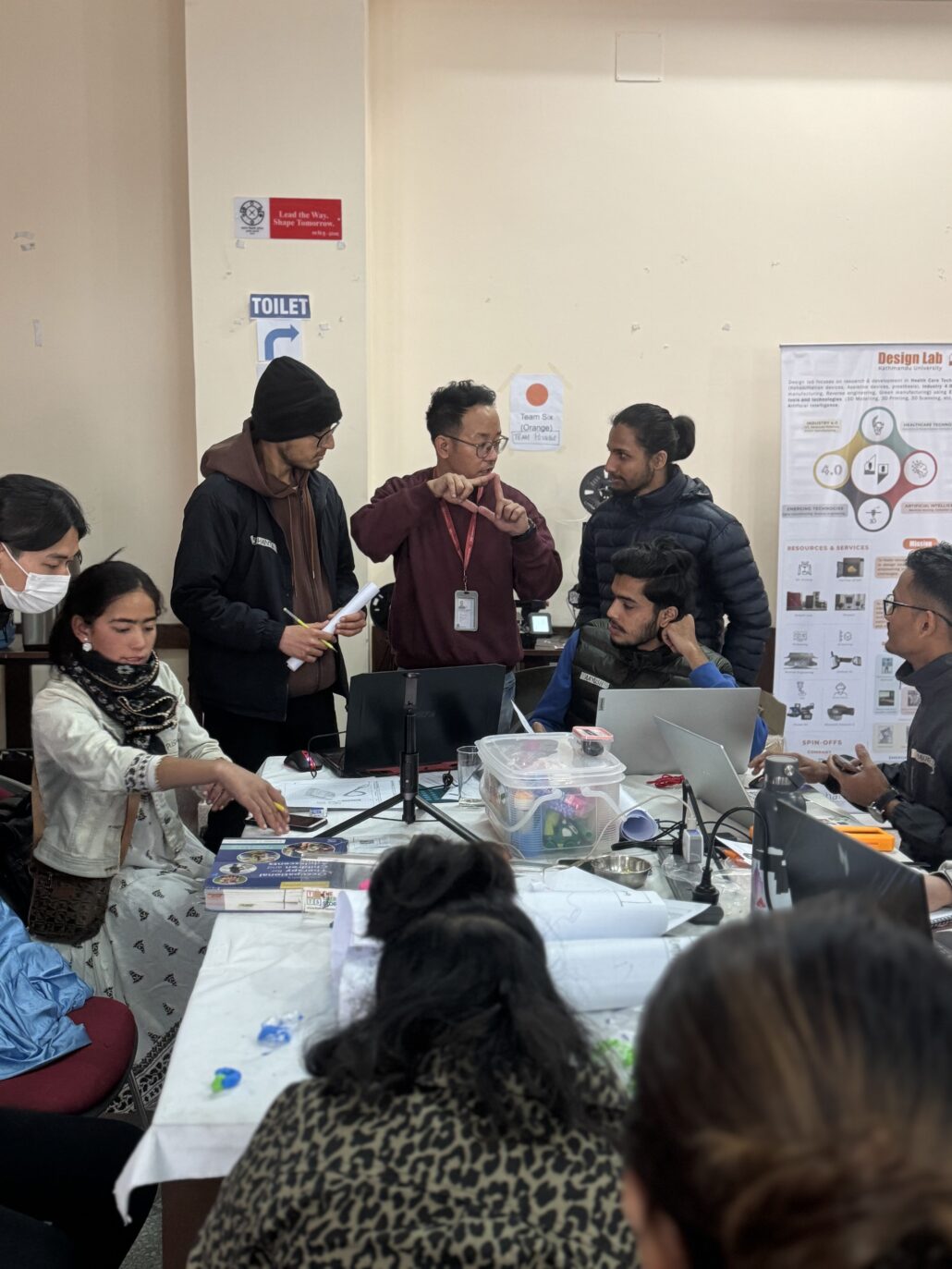
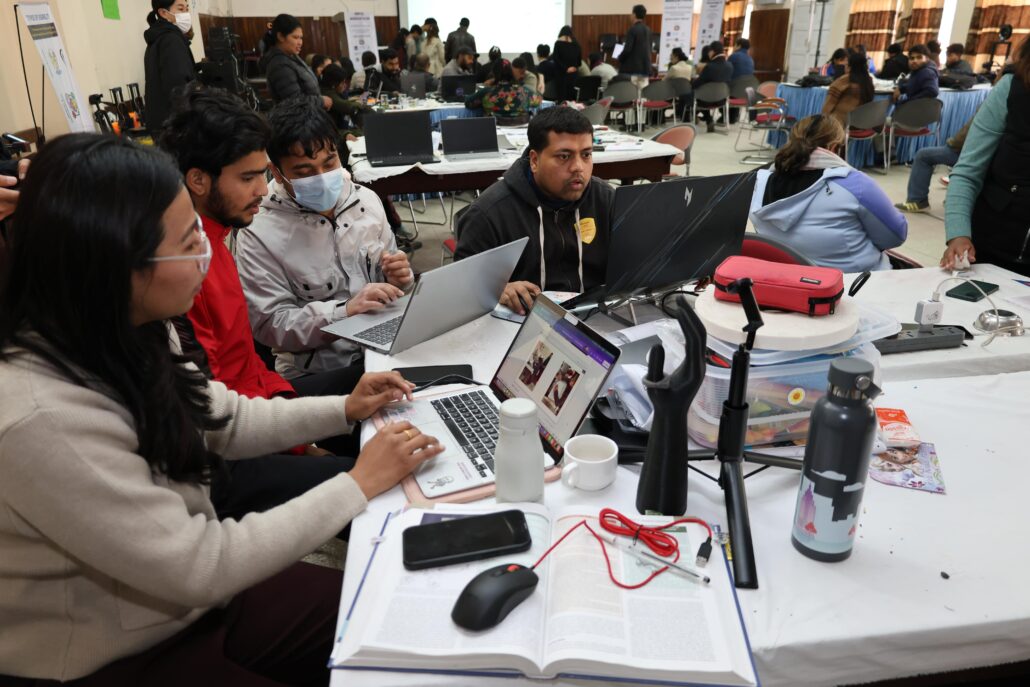
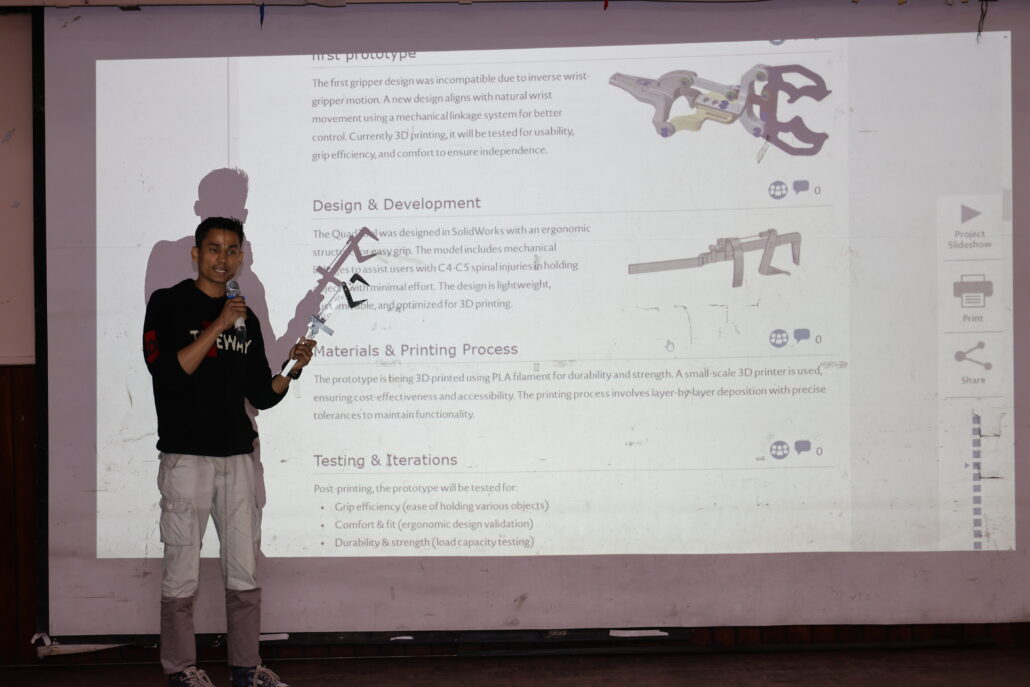
The second day began with energized prototyping by all the groups. Participants were actively engaged in 3D printing their prototypes using one of the twelve available 3D printers. Each team was assigned two 3D printers to ensure efficient prototyping. After lunch, Shashank Dewan, Senior Technical Officer at Impact Hub Kathmandu, shared his experience at the South Asian Regional Makeathon held in Bhutan. He presented their winning idea and how it was showcased in the final presentation, encouraging participants to draw inspiration from past projects. By the end of the day, each group presented their first prototype and its progress using slides and sketches. Some groups left their 3D prints to run overnight.
The third day began with the final iteration and testing of prototypes. While the prototyping and testing leaders were actively engaged in refining and testing their prototypes with the need knowers, the documentation and presentation teams were busy preparing final presentation slides. After a hearty lunch, each group presented their final prototypes, which were judged by Pratisthit Lal Shrestha, Sonoko Hayashi, and Sangita Budhathoki. The following assistive devices were designed and fabricated by each team:
- Team 1 (Team Vita): Tactile Map for Visually Impaired
- Team 2 (Team Samabesita): Complaint Mechanism Grabbing Device
- Team 3 (Team Faith): Foot Support Device
- Team 4 (Team Grab): Grabbing Device and Toothpaste Squeezer
- Team 5 (Team Accessible): Weighted Mouse Clicker and ADL Supporter
- Team 6 (Team Possible): Pencil Gripper, Stencil, Visual Aid for Communication, and Page Turner
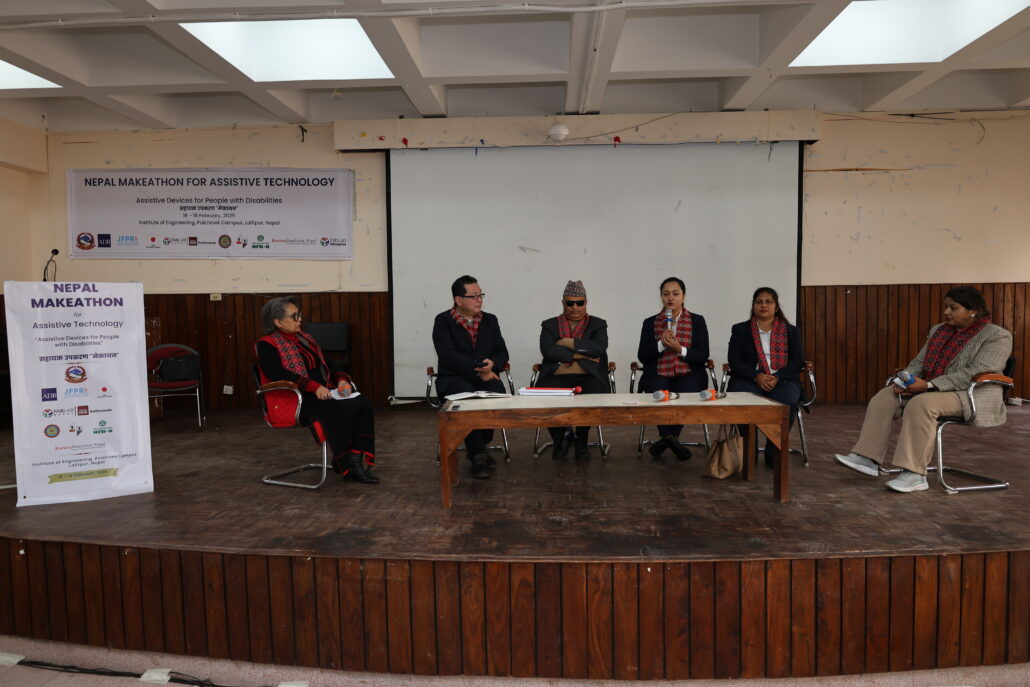
After the presentations, the event transitioned into a policy dialogue titled “Shaping the Path for Assistive Technology in Nepal: A Policy Dialogue on Accessibility, Innovation, and Inclusion.” This discussion was moderated by Ms. Bhaarati Silwal Giri and featured experts from various sectors and government officials. The panel members were
- Koji Yamada, 3D Expert
- Dr. Birendra Raj Pokharel, Former President, Nepal Federation of the Disabled-Nepal (NFDN)
- Dev Kumari Parajuli, General Secretary, Nepal Disabled Women Association (NDWA)
- Kamala Ghimire, Under Secretary, Ministry of Women, Children and Senior Citizens
- Nistha Shrestha, Department of Health Services Ministry of Health and Population
Following the policy dialogue, the judges announced the winners:
- First Place: Team Possible
- First Runner-Up: Team Grab
- Second Runner-Up: Team Faith
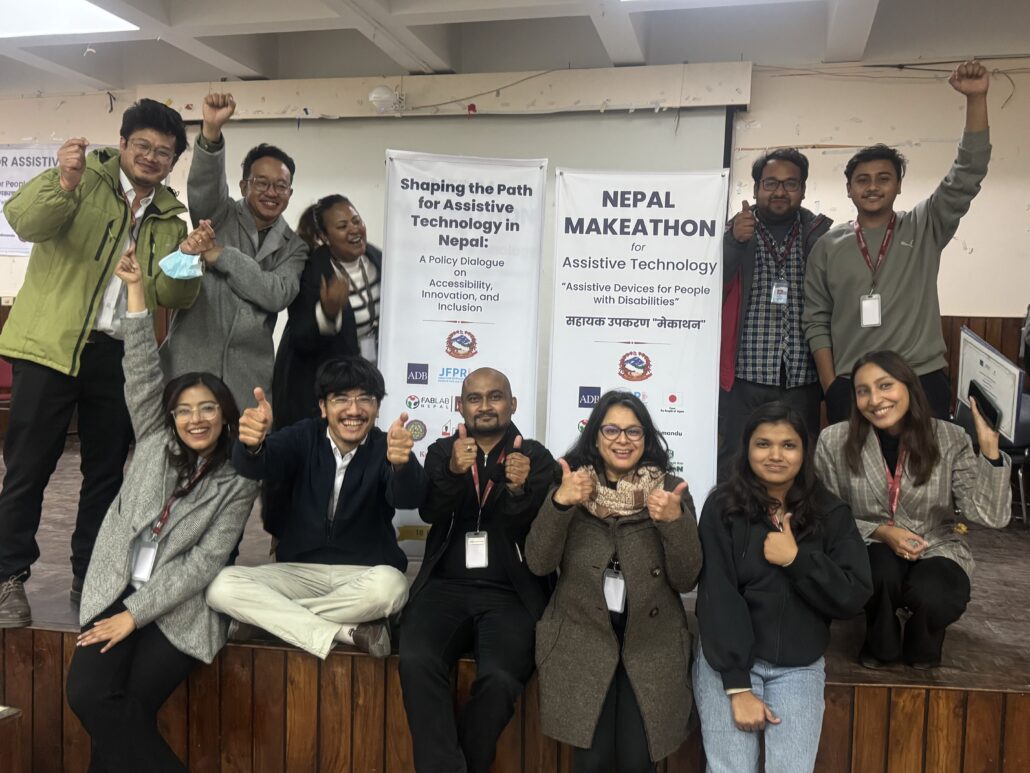
The Nepal Assistive Device Makeathon showcased the power of inclusive design and collaboration in advancing assistive technology. By fostering innovation and policy dialogue, the event laid the groundwork for a more accessible and inclusive future in Nepal.