About the Project
Impact Hub Kathmandu, in collaboration with Oxford University Clinical Research Unit, is leading the Health Innovation Ecosystem Mapping initiative in Nepal as part of a broader regional study across Indonesia, Nepal, and Vietnam. The initiative aims to understand how health innovations move from early-stage research and discovery to practical implementation in communities, hospitals, public health systems, and markets, often referred to as the journey “from bench to bedside and beyond.”
Health innovations frequently face challenges in transitioning from research labs into real-world impact. While many promising ideas, technologies, diagnostics, and public health solutions are developed, only a small proportion successfully reach the people and systems that need them most. This gap between research and implementation is where translational research becomes critically important.
Why Translational Research?
Translational research focuses on converting scientific discoveries into practical health solutions that improve patient care, public health systems, and community wellbeing. It bridges the divide between academic research, healthcare delivery, policy, investment, entrepreneurship, and implementation. In the Asia-Pacific region, countries are rapidly advancing in scientific and medical research. However, many innovators still encounter barriers such as:
- Limited funding pathways for scaling innovations
- Fragmented collaboration between sectors
- Regulatory and policy challenges
- Weak connections between researchers, investors, healthcare providers, and entrepreneurs
- Limited ecosystem support for commercialization and implementation
This ecosystem mapping study seeks to better understand these gaps and identify opportunities for stronger collaboration, investment, and innovation support mechanisms across Nepal and the broader APAC region.
What Does This Research Offer?
The Health Innovation Ecosystem Mapping initiative aims to generate actionable insights that can support future health innovation programs, partnerships, and funding opportunities. The research will help:
- Identify strengths and gaps within Nepal’s health innovation ecosystem
- Understand how different actors collaborate and where coordination can be improved
- Explore barriers that prevent innovations from reaching scale and impact
- Highlight opportunities for ecosystem-level support and investment
- Inform future strategies for translational research and innovation acceleration in the region
The findings are expected to contribute toward building a more connected, inclusive, and effective innovation ecosystem in health sectors that supports researchers, startups, healthcare institutions, policymakers, and communities alike.
How is the ecosystem mapping being conducted?
The study combines both qualitative and desk-based research approaches to develop a comprehensive understanding of Nepal’s health innovation landscape primarily in focus with translational research.
Desk Research
The initial phase involved extensive desk research to map existing health innovation actors, programs, institutions, policies, accelerators, funding mechanisms, and research initiatives across Nepal.
Key Informant Interviews (KIIs)
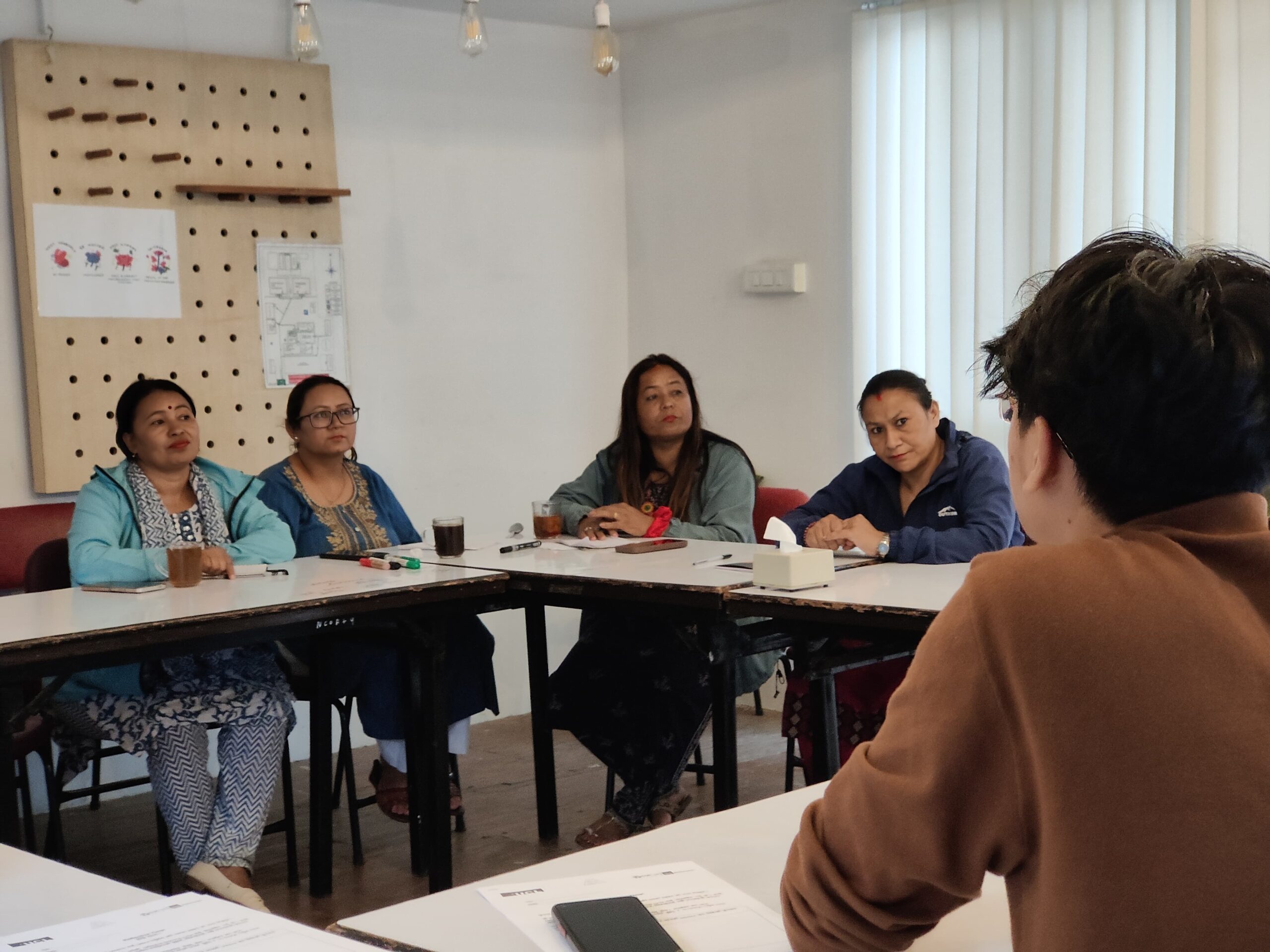
We are currently conducting in-depth interviews with a diverse range of stakeholders involved in health innovation and translational research. These interviews aim to capture lived experiences, ecosystem challenges, opportunities, and collaboration dynamics.
Stakeholders being approached include:
- Researchers and academic institutions
- Hospitals and clinical practitioners
- Health innovators and entrepreneurs
- Government and regulatory bodies
- Development partners
- Investors and funding organizations
- Public health organizations and NGOs
- Private sector actors and industry experts
From these conversations we aim to gather valuable insights into how innovations are developed, tested, funded, implemented, and scaled within Nepal’s healthcare ecosystem.
Progress So Far
The project has successfully completed the desk research phase and has now moved into the stakeholder consultation stage. So far:
- Initial ecosystem mapping and background research has been completed
- Key stakeholder outreach and coordination are actively underway
- In-depth stakeholder interviews in progress
The discussions conducted so far have already highlighted important perspectives on collaboration gaps, innovation support needs, and opportunities for strengthening translational research pathways in Nepal.
Looking Ahead
As the study progresses, the project team looks forward to engaging with a broader range of ecosystem actors and deepening the understanding of Nepal’s health innovation landscape. The next stages of the project will include:
- Continued stakeholder interviews
- Validation and synthesis of emerging findings
- Identification of priority challenges and opportunity areas
- Collaborative discussions on future ecosystem support mechanisms and co-fundraising opportunities
Ultimately, the initiative hopes to contribute toward a stronger and more connected health innovation ecosystem, one that enables research and innovation to create meaningful, lasting impact for communities across Nepal and the Asia-Pacific region.